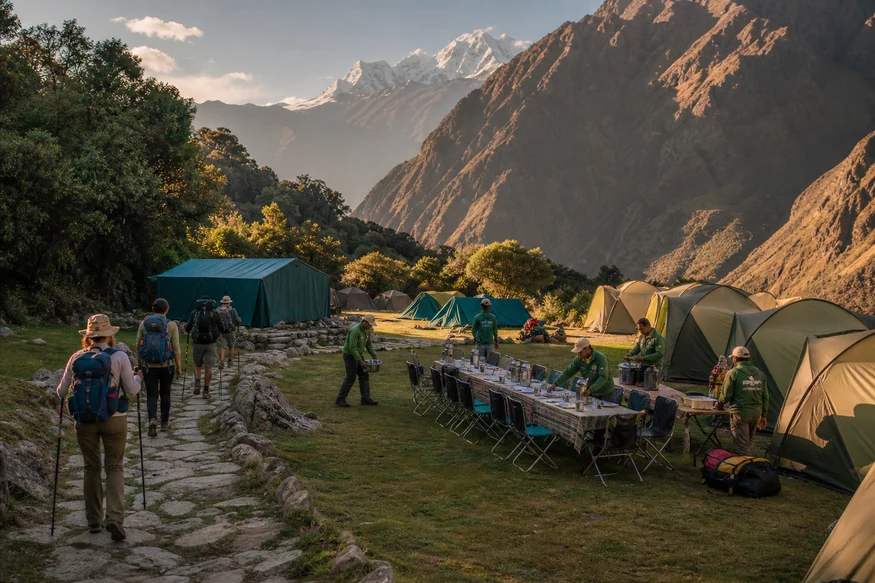
The Inca Trail cost depends on the route, service level, group size and what the package includes. A short hotel-based trek generally costs less than a fully supported camping expedition, while a private or luxury departure costs more because the guide, transport and support services are shared among fewer travelers.
The most useful way to compare prices is not to look for the lowest headline figure. Compare the permit, entrance tickets, transport, porter allowance, accommodation, meals, equipment and train service included in each quote. A cheaper offer can become more expensive after necessary extras are added.
| Route | Typical Price Position | Main Cost Drivers | Best for |
|---|---|---|---|
| Short Inca Trail 2 Days | Usually the most accessible option | Permit, guide, train, bus, Machu Picchu entry and hotel | Travelers avoiding a full camping trek |
| Classic Inca Trail 4 Days | Standard multi-day expedition | Permits, guide, cooks, porters, meals, camping and return transport | The complete classic trekking experience |
| Luxury Inca Trail 4 Days | Premium | Private attention, upgraded camp comfort, enhanced dining and logistics | Travelers prioritizing comfort and exclusivity |
| Inca Trail 5 Days | Higher than the standard group trek | An extra day of guide, staff, meals and camping services | A more gradual pace and added time on the trail |
Tour prices and inclusions can change with permit policies, train fares and service choices. Use the linked tour pages for the current price, then request a written quote for your dates and group size.
A responsible Inca Trail package combines much more than access to a footpath. Depending on the route, the price commonly covers an authorized guide, trail and Machu Picchu admissions, transport to the trailhead, train or vehicle arrangements after the trek and the operational team required to run the trip.
Camping routes may also include tents, cooks, meals, shared expedition equipment and regulated porter support. The Short Inca Trail usually replaces camping services with rail transport and a hotel. Always read the inclusion list for the specific product instead of assuming that every route follows the same model.
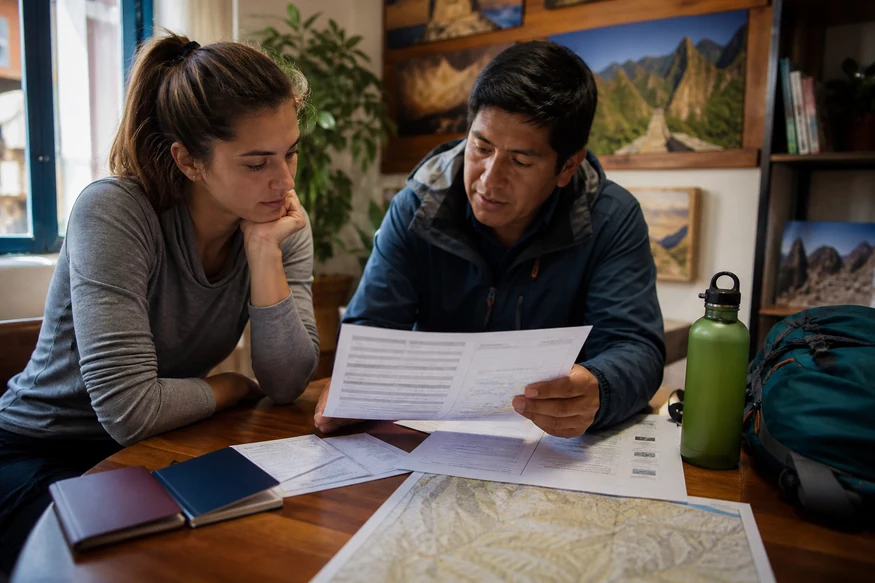
Access to the regulated Inca Trail requires a permit registered to the traveler. Operators organize this in advance, and the cost is built into the package. It is not a flexible ticket that can simply be transferred to another person.
Limited availability is one reason booking early matters. Our Inca Trail permit guide explains availability, passport details and the practical booking process without duplicating a tour itinerary.
These items are not necessarily hidden fees. They become a problem only when a traveler compares quotes without separating required costs from optional upgrades.
A group departure spreads guide and transport costs across more people, making the per-person price more efficient. A private trek offers flexibility and individual attention, but the same operational services are divided among a smaller party.
Luxury pricing reflects more than an expensive label. It may include a stronger staff-to-guest ratio, enhanced bedding, upgraded meals, private logistics and other comfort details. Compare the actual services, not only the category name.
Porters transport group equipment and may carry an agreed amount of personal gear, depending on the service. Ethical staffing, regulated loads, appropriate equipment and fair working conditions have a real operational cost.
A very low quote deserves careful scrutiny if it appears to promise the same support for substantially less. Read our guide to Inca Trail porters so you understand what to ask before booking.
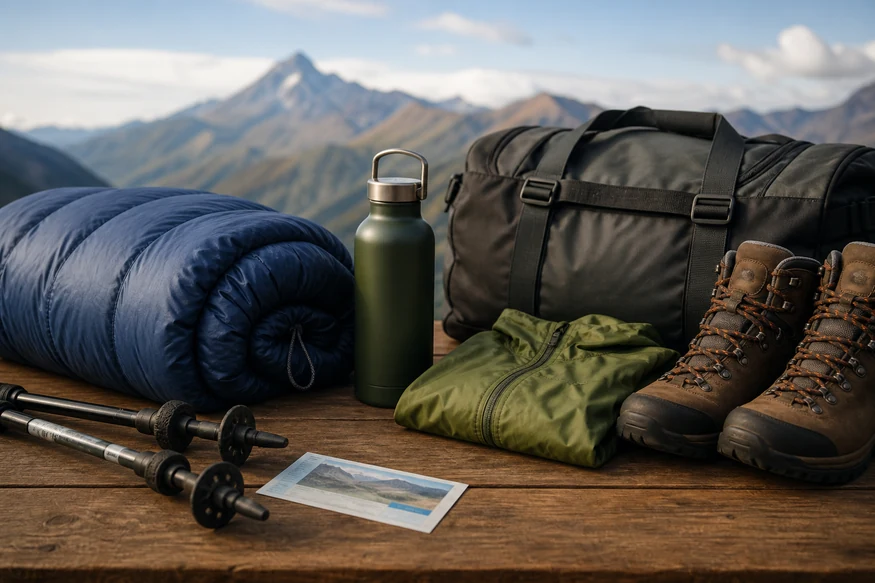
Travelers often budget for the tour and forget the smaller items around it. Broken-in footwear, suitable rain layers, a sleeping bag, trekking poles, sun protection and a practical daypack can add to the total if you do not already own them.
You do not need to buy the most expensive version of everything. First check what the operator supplies, then use the Inca Trail packing list to identify genuine gaps. Renting occasional-use equipment can be more sensible than buying it.
If you are choosing between the shorter and classic experiences, start with our 2-Day vs 4-Day Inca Trail comparison. It separates the experience and physical commitment without replacing the product pages.
Begin with the published package price, add equipment or rental needs, reserve money for excluded meals and tips, and include pre-trek accommodation plus travel insurance. Keep a modest contingency for personal purchases or transport changes.
Booking solely by price is rarely the best strategy for a regulated, high-altitude trek. The better value is a clearly documented package whose safety, support and comfort match your expectations.
It requires several days of guides, cooks, porters, food, camping equipment and logistics, while the short route uses a different combination of hiking, rail and hotel services.
For an organized Inca Trail booking, the operator normally secures the permit as part of the package. Confirm this explicitly in the inclusion list.
No. Judge value through the guide service, staff standards, group size, equipment, inclusions and reliability. Premium comfort is worthwhile only when it matches your priorities.
Price matters, but an unusually cheap offer can omit necessary services or place pressure on staffing and support. Compare complete written quotes.
The real Inca Trail cost is the amount required for a safe, permitted and well-supported experience—not just the first number shown online. Choose the route first, compare inclusions line by line and keep a small budget for equipment and personal extras. That approach protects both your trip and your expectations.