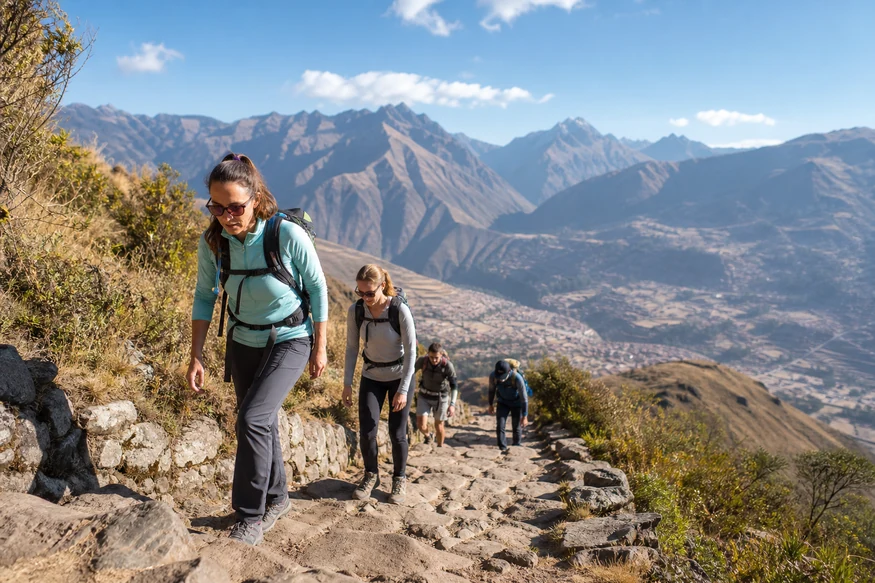
Knowing how to prepare for the Inca Trail can make the difference between simply finishing the trek and actually enjoying it. The Classic Inca Trail combines high altitude, steep stone stairways, long climbs, descents and several consecutive days of hiking, so preparation should cover more than basic fitness.
A good plan includes three areas: physical training, acclimatization and equipment. You do not need to train like an athlete, but you should arrive comfortable with several hours of walking and with all of your essential gear already tested.
| When | Main Focus | What to Do |
|---|---|---|
| 8–12 weeks before | Build consistency | Regular walking, cardio and basic leg strength |
| 4–8 weeks before | Add trail-specific work | Hills, stairs, longer hikes and daypack practice |
| 2–4 weeks before | Improve endurance | Back-to-back walking days and longer outings |
| Final week | Recover | Reduce intensity, organize gear and rest |
| In Peru | Acclimatize | Spend time in Cusco or the Sacred Valley before the trek |
Preparing for the Inca Trail is different from preparing for a normal city walking holiday. The route asks your body to handle repeated uphill effort, long stone staircases, high elevation and several hours of movement on consecutive days. The best preparation therefore combines endurance with trail-specific strength and enough recovery to arrive in Peru fresh rather than exhausted.
For most travelers, the priority should be consistency. Someone who walks and trains moderately for two or three months is generally better prepared than someone who completes a few extremely hard workouts immediately before departure. Your training should gradually make long walking days feel normal.
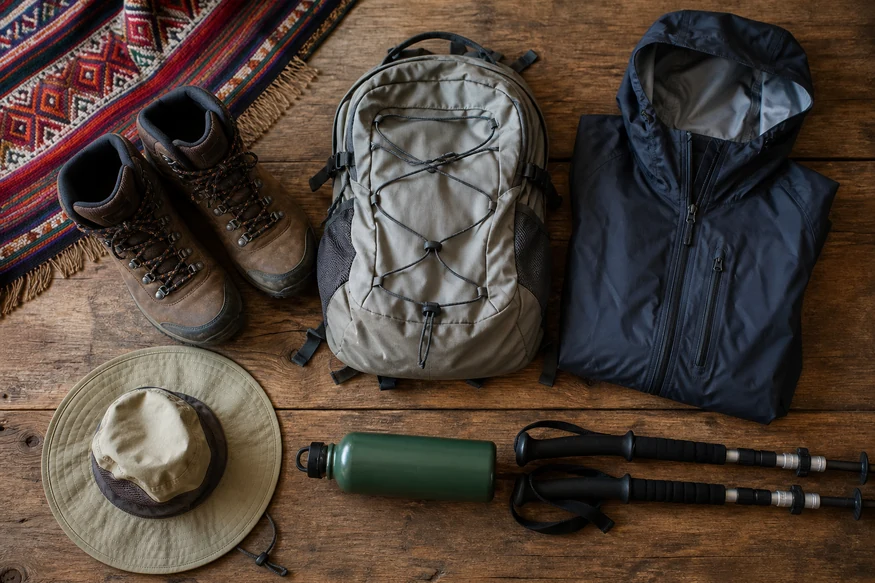
A balanced Inca Trail training plan should include three types of work. Cardiovascular exercise helps you sustain long climbs. Strength work prepares your legs for repeated stairs and descents. Actual hiking teaches your feet, shoes, backpack and body to work together for several hours.
| Training Type | Why It Matters | Useful Examples |
|---|---|---|
| Cardio | Builds endurance for sustained climbs | Brisk walking, cycling, incline treadmill |
| Leg strength | Helps on stairs and steep descents | Squats, lunges, step-ups, calf raises |
| Hiking | Builds trail-specific endurance | Hilly walks and longer weekend hikes |
| Core stability | Improves balance with a daypack | Planks and controlled stability exercises |
| Recovery | Allows adaptation between sessions | Easy days, mobility and adequate sleep |
There is no magic training distance, because terrain and elevation matter as much as mileage. A practical goal is to become comfortable spending several hours on your feet without feeling destroyed the following day. As your departure approaches, include occasional longer walks on hilly terrain and some back-to-back active days.
If you live somewhere flat, stairs, stadium steps or an incline treadmill can partially replace mountain training. What matters is teaching your legs to climb steadily and, just as importantly, to control long descents.
For many travelers, beginning around eight to twelve weeks before departure provides enough time to improve endurance gradually. If you already hike regularly, you may need less time. If you are starting from a sedentary routine, giving yourself more time is sensible.
The objective is gradual progress. A few extremely hard workouts immediately before your flight will not compensate for weeks without activity.
Start by building a consistent walking routine. You do not need mountain terrain every day. Regular brisk walking is enough to establish a foundation.
During this stage, include:
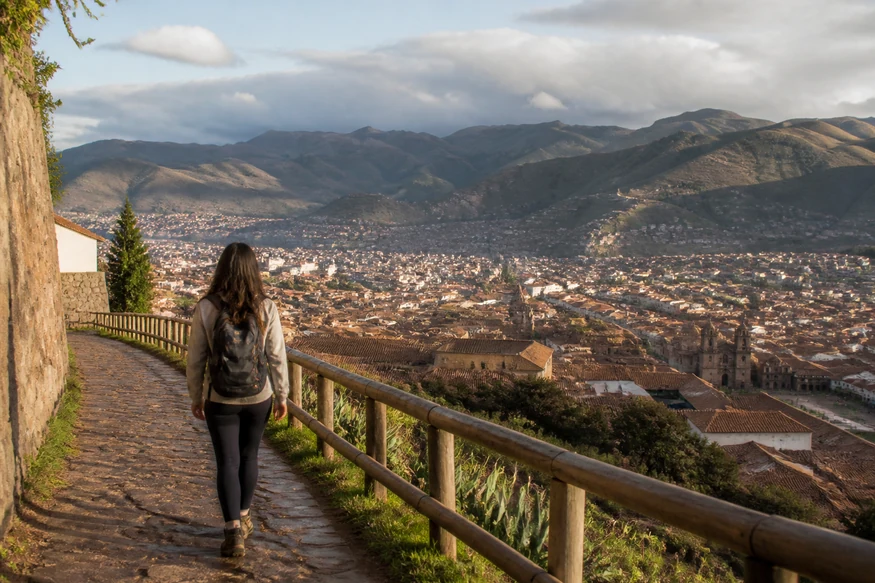
Once regular walking feels comfortable, make your training more specific to the trail.
Add hills, staircases or an incline treadmill. The Inca Trail includes long uphill sections and extensive original stone steps, so flat walking alone does not fully prepare you.
This is also a good time to begin using the shoes and daypack you plan to take to Peru.
Your longer walks should now resemble trekking days more closely. The goal is not extreme mileage, but sustained time on your feet.
Occasionally complete two active days in succession. This helps you understand how your legs feel when you need to walk again before being fully recovered from the previous day.
Stair training is one of the most useful alternatives when you do not have access to mountain trails.
Focus on both climbing and descending. Uphill movement challenges breathing and leg strength, while downhill sections place different stress on the quadriceps and knees.
Do not wait until Peru to discover that your daypack rubs your shoulders or feels uncomfortable when loaded.
Use it on some training walks with realistic items such as:
Keep the load realistic. Training with an unnecessarily heavy backpack can increase fatigue and injury risk without providing a meaningful benefit.
You should be able to walk for several hours at a steady pace and repeat that effort over multiple days. You do not need technical climbing experience.
The major challenge is the combination of distance, altitude and elevation gain. Read our complete guide to Inca Trail difficulty for a day-by-day breakdown.
Fitness does not replace acclimatization. The Classic Inca Trail reaches approximately 4,215 meters at Dead Woman's Pass, so even very fit travelers can feel the effects of elevation.
Whenever your itinerary allows, spend at least a few days at elevation before the trek. Cusco and the Sacred Valley are commonly used for acclimatization before multi-day hikes.
See our guide to altitude on the Inca Trail for the main elevations.
There is no single acclimatization schedule that works for every person, but arriving the night before a high-altitude trek leaves very little time for adjustment.
Many travelers plan two or three days in Cusco or the Sacred Valley before beginning the Classic Inca Trail.
Never save brand-new hiking footwear for the first morning of the trek.
Wear your shoes during longer training walks and test them on hills and stairs. Make sure your socks also work well with your footwear.
The route can feel cold in the morning and warm under strong sun later in the day. A layering system is more practical than relying on one heavy jacket.
Typical layers include a lightweight base layer, hiking shirt, fleece or insulating layer and waterproof shell.
Use our Inca Trail packing list before finalizing your equipment.
Your final week should focus on arriving rested rather than proving how fit you are.
Keep activity light and allow your legs to recover. Confirm your pickup time, required identification and what your operator provides.
This is also the time to check that your essential items are accessible rather than buried in luggage you will not carry during the day.
During the drier months, expect stronger daytime sun and potentially cold mornings and nights. Sun protection and warm layers remain important.
Rain protection, quick-drying clothing and good footwear traction become more important during wetter months.
Compare seasonal conditions in our guide to the best time to hike the Inca Trail.
The Classic Inca Trail is a regulated route. Make sure the personal information used for your reservation matches the identification document you expect to use during your trip.
Read our Inca Trail permits guide before finalizing your travel dates.
No. Running can improve cardiovascular fitness, but hiking, walking, hills and stairs are more specific to the movement you will actually perform on the trail.
Yes. Beginners should give themselves enough time to progress gradually and become comfortable with long walking days.
No. Train with a realistic daypack rather than adding unnecessary weight simply to make sessions harder.
It can help, but outdoor walking and hiking are valuable because they expose you to uneven terrain, footwear and weather.
No. Arriving rested is more useful than completing one final exhausting workout.
Your preparation should match the route you book. Review the daily demands of our Luxury Inca Trail 4 Days, or choose the two-day Short Inca Trail tour when a shorter hiking format better suits your trip.
The best way to prepare for the Inca Trail is to build steady hiking fitness, test your equipment and give your body time to adjust to elevation. Consistency matters more than a few extreme workouts.