
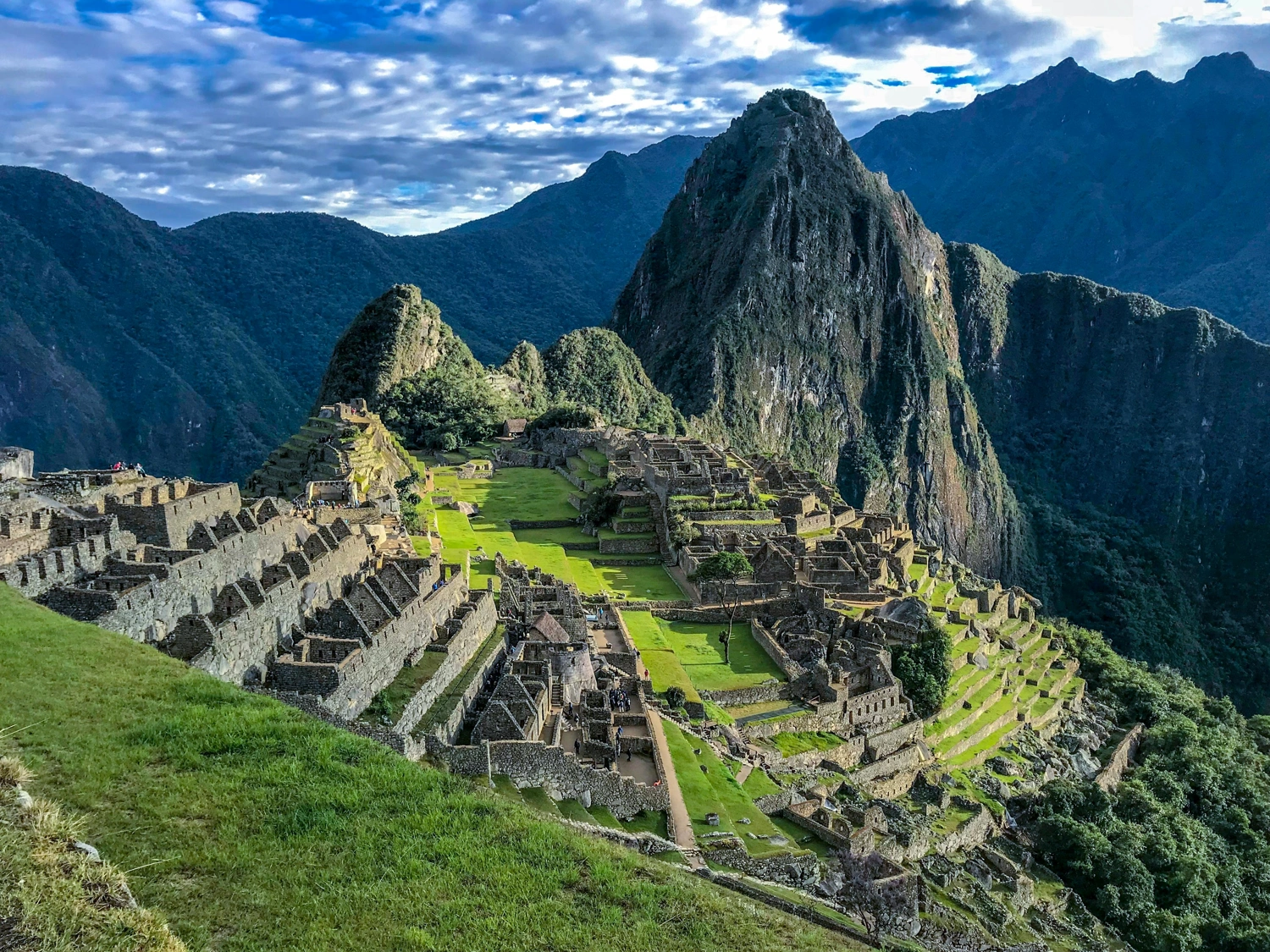
Cusco sits at 3,400 meters above sea level, and many travelers experience mild altitude sickness upon arrival. Before heading to Machu Picchu, it’s essential to prepare your body and understand how to prevent altitude-related symptoms. In this guide, you’ll learn practical tips to adapt easily, stay healthy, and fully enjoy your Peruvian adventure.
What Is Altitude Sickness?
Altitude sickness, or “soroche” as locals call it, happens when your body doesn’t get enough oxygen at high elevations.
It’s common in destinations like Cusco, Puno, and Arequipa.Common Symptoms
- Headache
- Dizziness
- Fatigue or shortness of breath
- Nausea or loss of appetite
- Trouble sleeping
How Long Does It Last?
For most visitors, symptoms appear within the first 6–24 hours after arrival and fade within two or three days as the body adjusts.
How to Prevent Altitude Sickness in Cusco
Below are proven tips to minimize the effects of altitude and enjoy your time without discomfort.
1. Take It Easy on the First Day
Avoid heavy physical activity when you arrive in Cusco. Rest, walk slowly, and let your body acclimatize.
2. Stay Hydrated
Drink plenty of water and avoid alcohol or caffeine in the first 24 hours.
3. Eat Light and Local
Opt for soups, fruits, and vegetables. Heavy meals can worsen nausea at high altitude.
4. Try Coca Tea or Coca Leaves
Locals recommend coca tea (“mate de coca”), a traditional natural remedy that helps increase oxygen flow.
5. Consider Altitude Pills
Consult your doctor before your trip about taking acetazolamide (Diamox) or natural oxygen supplements.
How to Prepare Before Traveling to Cusco
1. Spend a Night in the Sacred Valley First
The Sacred Valley (around 2,800 meters) is lower than Cusco, making it a great first stop to adapt before heading higher.
2. Exercise Before Your Trip
Cardio activities such as hiking or cycling can improve your oxygen capacity.
3. Avoid Flying Directly from Sea Level to Cusco
If possible, plan a stop in Lima or Arequipa before heading to the Andes.
What to Do If You Get Altitude Sickness
Even with preparation, some travelers may still feel unwell.
Mild Symptoms
Rest, hydrate, and take coca tea or light painkillers if needed.
Severe Symptoms
If you experience vomiting, chest pain, or extreme dizziness, seek medical attention. Oxygen is available in most hotels and clinics in Cusco.
Final Tips for Enjoying Cusco and Machu Picchu
1. Listen to Your Body
Take breaks often and don’t rush tours.
2. Stay in Central Locations
Choose hotels close to the main attractions to minimize walking uphill.
3. Travel with Travel Insurance
It’s always better to be covered for unexpected health issues.