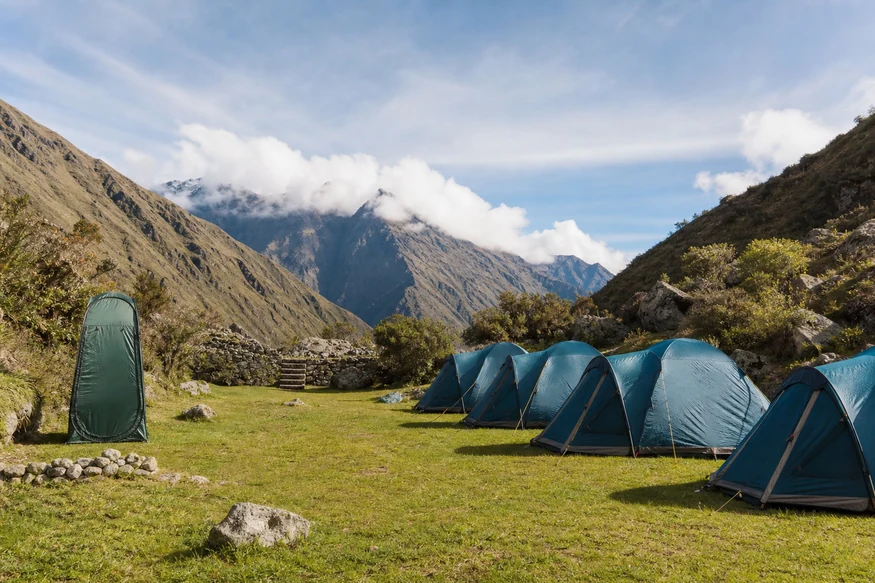
Inca Trail toilets, showers and campsites are among the practical details travelers often wonder about before the Classic trek. The experience is a regulated mountain trek, not a hotel-based trip, so facilities along the route are basic and vary by location.
Your operator organizes the camping logistics, but understanding what to expect will help you pack realistically and avoid arriving with the wrong assumptions.
Toilets on the Inca Trail are functional trekking facilities rather than hotel bathrooms. Official information for the Historic Sanctuary confirms that the tourist routes have basic infrastructure including campsites and sanitary services. In practice, comfort and cleanliness can vary according to the location, time of day and number of people using a facility.
The useful mindset is to be self-sufficient. Keep toilet paper and hand sanitizer in your daypack instead of assuming they will always be available when you need them. A small hygiene kit weighs very little and makes a noticeable difference during a multi-day trek.
| Facility | What to Expect | What You Should Carry |
|---|---|---|
| Toilets | Basic sanitary facilities at designated areas | Toilet paper and hand sanitizer |
| Showers | Limited; do not plan on a hot shower every night | Wipes and quick-drying towel |
| Electricity | Not something to rely on throughout the trek | Charged power bank |
| Sleeping | Tent-based on the Classic route | Confirm sleeping bag/mat inclusions |
| Drinking water | Managed according to the operator's trek logistics | Reusable bottle or hydration system |
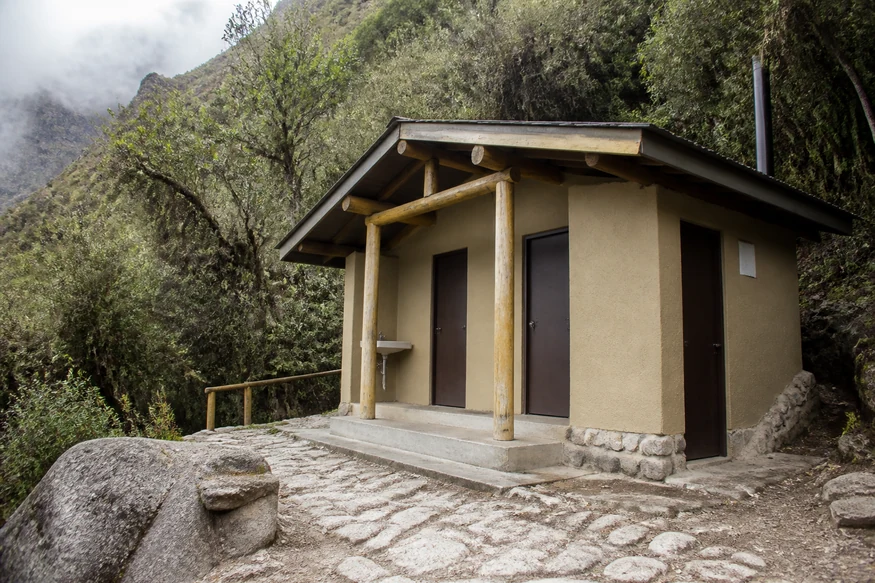
Comfort depends heavily on expectations. A well-organized camp can be surprisingly pleasant after a long hiking day: you have a place to rest, eat and prepare for the next stage. But the environment remains remote mountain camping. Uneven ground, cold temperatures, shared facilities and limited electricity are normal parts of the experience.
Instead of trying to recreate hotel comfort, prioritize a warm sleeping setup, dry clothing for camp and an organized personal bag. Those three things generally matter more than carrying extra luxury items.
Classic Inca Trail groups camp in designated areas along the regulated route. The exact campsite used can depend on the itinerary and official allocation.
A trekking team normally handles shared camping equipment, meal preparation and camp setup according to the service booked.
The Inca Trail operates under a regulated system, and overnight use is limited to authorized camping areas rather than random wild camping anywhere along the route.
This protects archaeological and natural areas and helps authorities manage visitor movement.
Basic toilet facilities are available at various points and camping areas, but travelers should not expect hotel-style bathrooms.
Conditions can vary by location, use and maintenance. Carrying your own toilet paper and hand sanitizer is a sensible part of preparation.
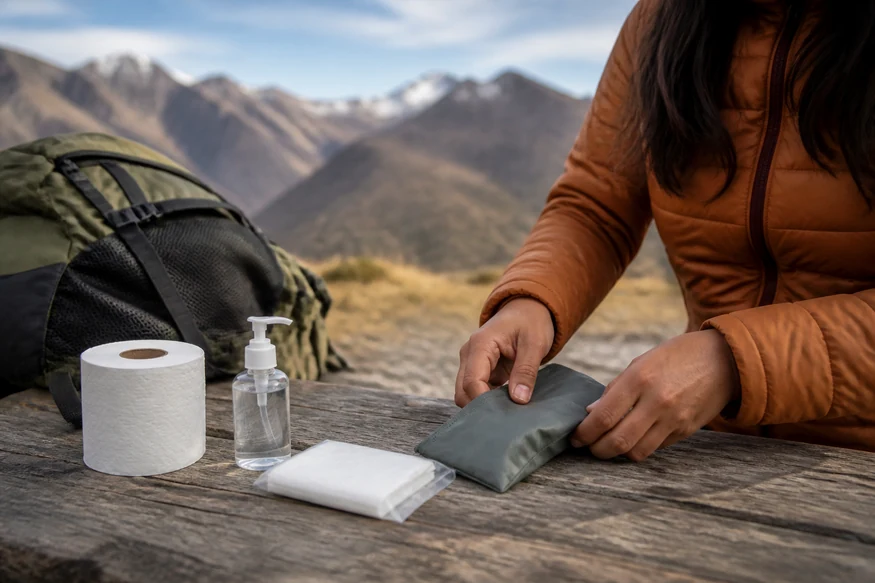
Facilities along mountain routes can be simple. Some travelers find them more basic than expected, especially after busy trekking days.
Useful personal items include:
You should not plan the Classic Inca Trail around taking a normal hot shower every evening.
Where shower facilities exist, availability and comfort can vary. Many trekkers rely on simple personal cleaning methods during the multi-day route.
A practical hygiene routine can include:
Avoid carrying oversized toiletry kits. Everything you bring becomes part of the trek's logistics.
Water availability and infrastructure vary by camping area. Your trekking operator should explain how drinking and cooking water are handled.
Do not assume that every campsite has the same facilities.
Ask your operator specifically how drinking water is supplied during the trek and when you are expected to refill your bottle or hydration system.
Bring a reusable container that is convenient to carry while hiking.
Do not rely on regular access to electrical outlets during the camping portion of the Classic route.
Charge your devices before departure and bring a power bank if your phone or camera is important to you.
Plan as though charging opportunities will be limited. Put your phone in airplane mode when you do not need connectivity and reduce unnecessary screen use.
A power bank provides more reliable independence than expecting electricity at each campsite.
The Classic Inca Trail is normally a tent-based camping experience. The exact tent configuration depends on your tour operator and package.
Before booking, ask whether sleeping bags, sleeping mats and other personal camping equipment are included or rented separately.
Some camps are at significant elevation, so evenings and early mornings can feel cold, particularly during the drier winter months.
Bring warm layers even when the daytime forecast looks comfortable.
Our guide to Inca Trail altitude explains how elevation changes across the route.
Do not expect the same privacy you would have in a hotel room. Campsites are shared mountain environments used by trekking groups.
Your sleeping tent provides personal space, but common camp areas and facilities may be shared.
The Classic multi-day experience depends on trekking logistics rather than normal restaurant stops. Your operator's cooking team prepares meals as part of the expedition service.
Review exactly which meals and snacks are included in your package.
See our full packing list for the Inca Trail.
Campsite assignments influence how the total route is divided between trekking days. This is one reason daily mileage can differ slightly between itineraries even when everyone is following the Classic route.
No. The regulated Inca Trail uses designated areas and authorized itineraries. Travelers should follow the instructions of their guide and trekking operator rather than leaving the permitted route or setting up independent camps.
No. Plan your bathroom breaks around the facilities available at camps and designated stopping areas.
Yes. Carrying your own toilet paper is a practical precaution.
Do not expect hotel-style shower access throughout the Classic trek. Facilities vary and many hikers use simple hygiene routines.
Do not depend on it. Bring a charged power bank if you need reliable battery capacity.
Campsite arrangements are controlled through the regulated trekking system and your operator's itinerary rather than being selected freely by each traveler.
Facilities and camp arrangements depend on the itinerary and service level. Our four-day luxury Inca Trail program explains the complete camping service, while the two-day Inca Trail option normally uses hotel accommodation after the hike.
Inca Trail campsites provide the infrastructure needed for a regulated multi-day trek, but the experience remains basic mountain camping. Preparing for simple toilets, limited showers and limited electricity will make the trek much easier to enjoy.
Before departure, also review Inca Trail rules so you understand how the protected route is managed.