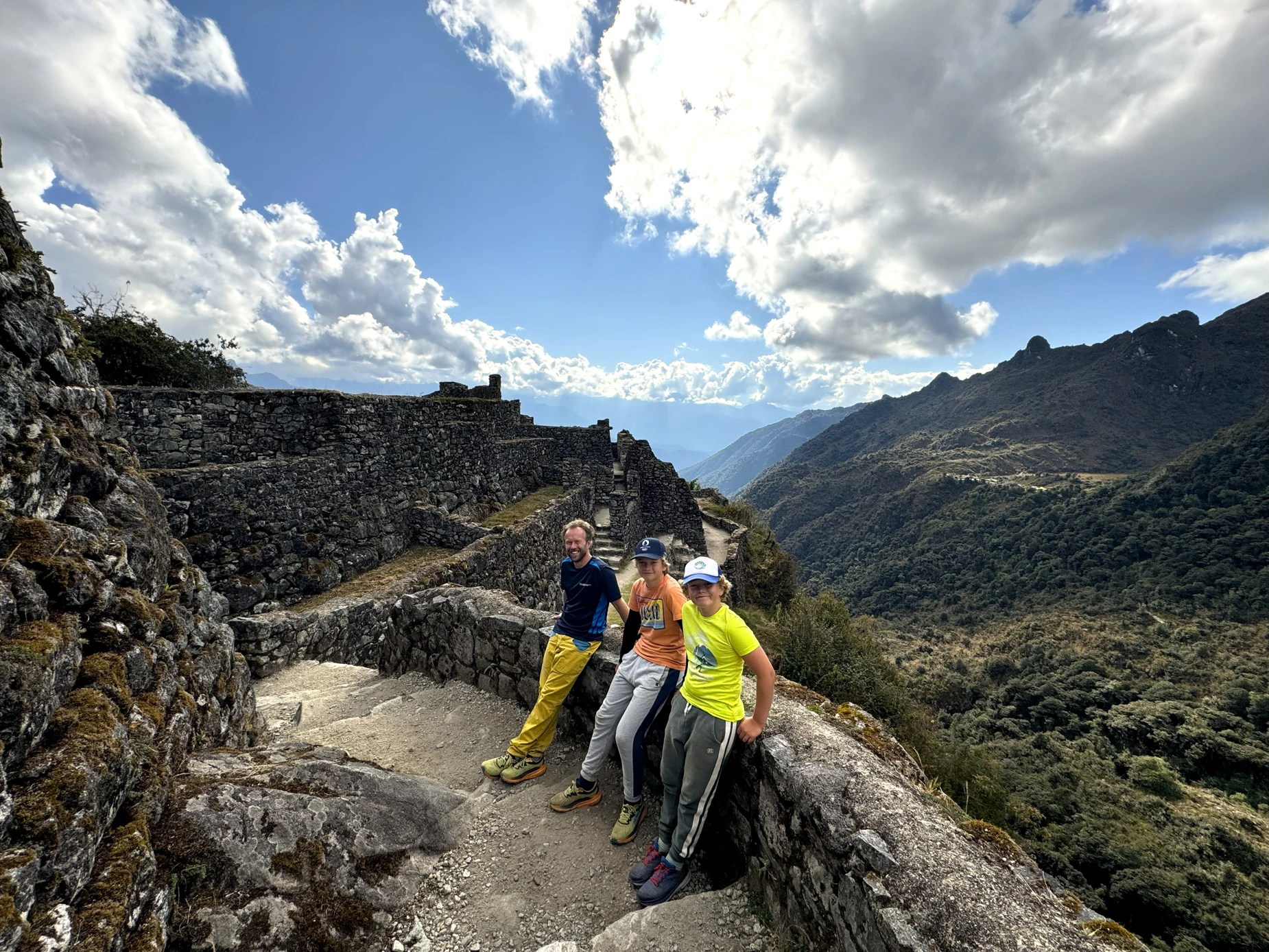
Yes — the Inca Trail is absolutely worth it, but only if you are looking for more than just reaching Machu Picchu.
This is not just a hike. You will experience a multi-day journey through ancient Inca pathways, cloud forests, and archaeological sites that most travelers never see. The Inca Trail is about the journey, not just the destination.
For many travelers, it becomes one of the most memorable experiences in South America.
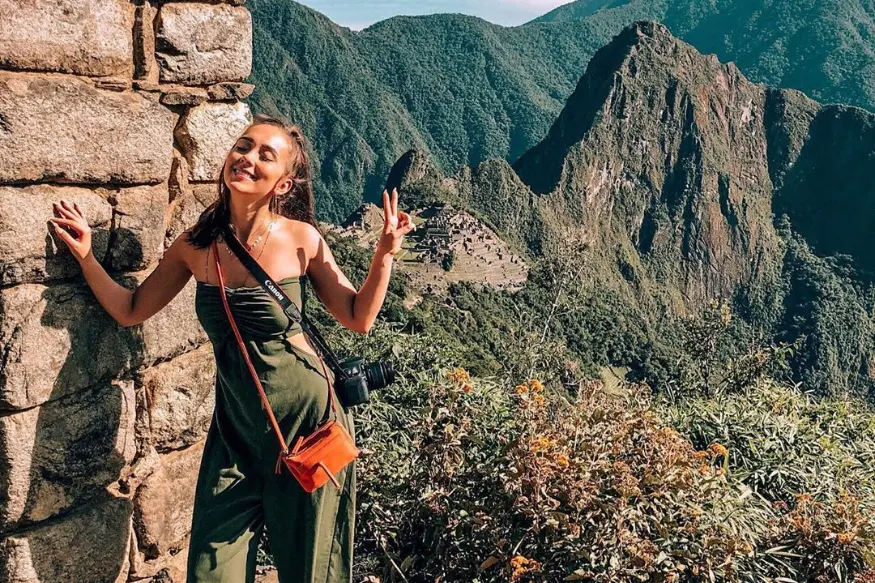
You will arrive at Machu Picchu through Inti Punku, the original Inca entrance. This moment, especially at sunrise, creates an emotional and unforgettable first view of the citadel.
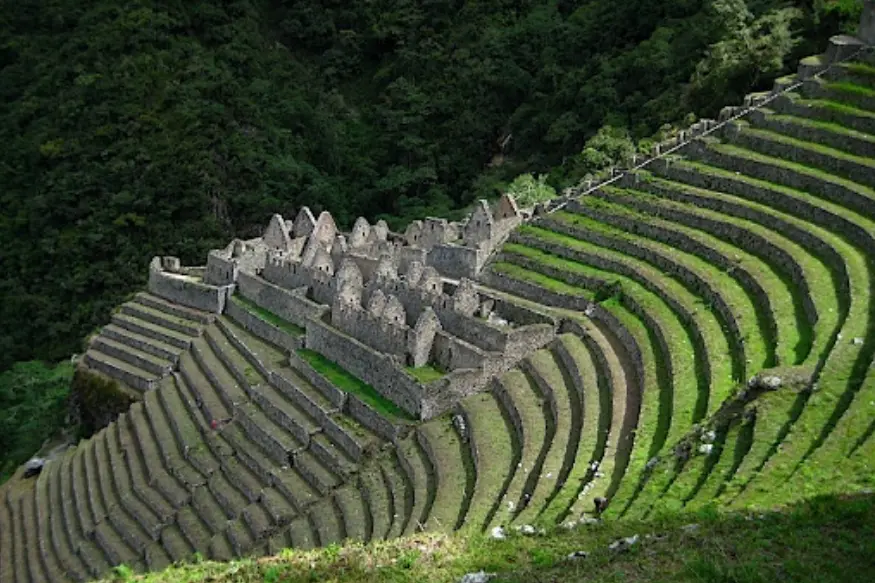
Along the trail, you will explore hidden archaeological sites such as Wiñay Wayna and Phuyupatamarca, which are only accessible to hikers.
You will cross high mountain passes, cloud forests, and jungle terrain, making the experience dynamic and visually impressive every day.
Yes — If You Want a Once-in-a-Lifetime Experience:
This is more than a trip. It will feel like a personal achievement.
Yes — If You Enjoy Hiking:
The Inca Trail is physically demanding, but deeply rewarding.
Maybe — If You Have Limited Time:
The classic trek takes four days. If your itinerary is short, other options may be more efficient.
No — If You Prefer Comfort Over Effort:
Even in premium versions, this is still a trek, not a relaxed journey.
The trail reaches over 4,200 meters, making it challenging.
Availability is restricted and sells out months in advance.
Compared to alternative routes, the Inca Trail requires a higher investment.
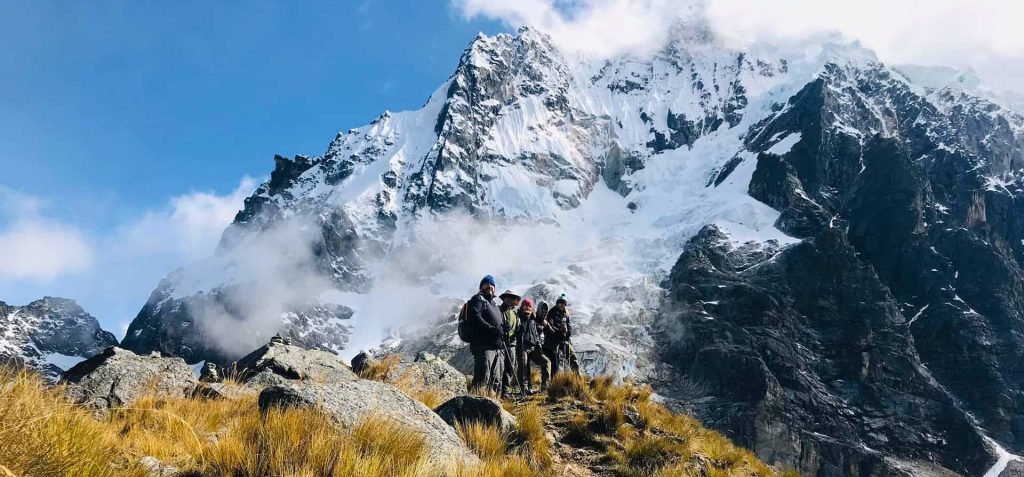
The Inca Trail focuses on history and archaeological immersion, while the Salkantay Trek offers more dramatic mountain landscapes.
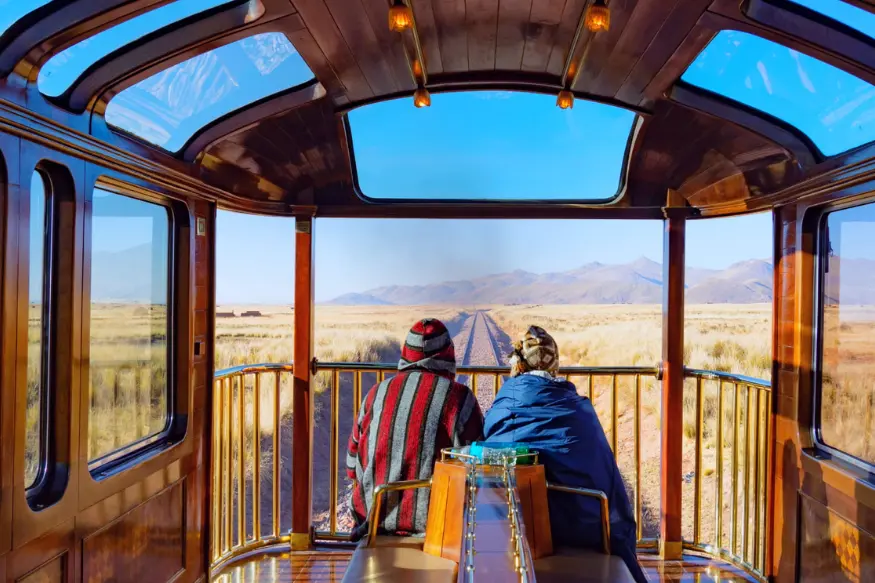
The train is faster and more comfortable, but you will miss the journey and the gradual arrival experience.
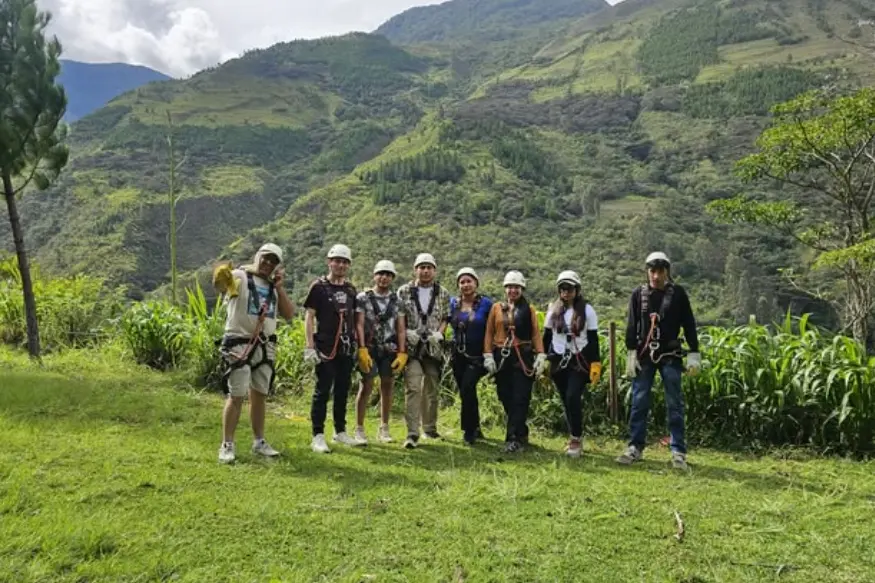
The Inca Jungle Trek is more adventurous, but less focused on Inca heritage.
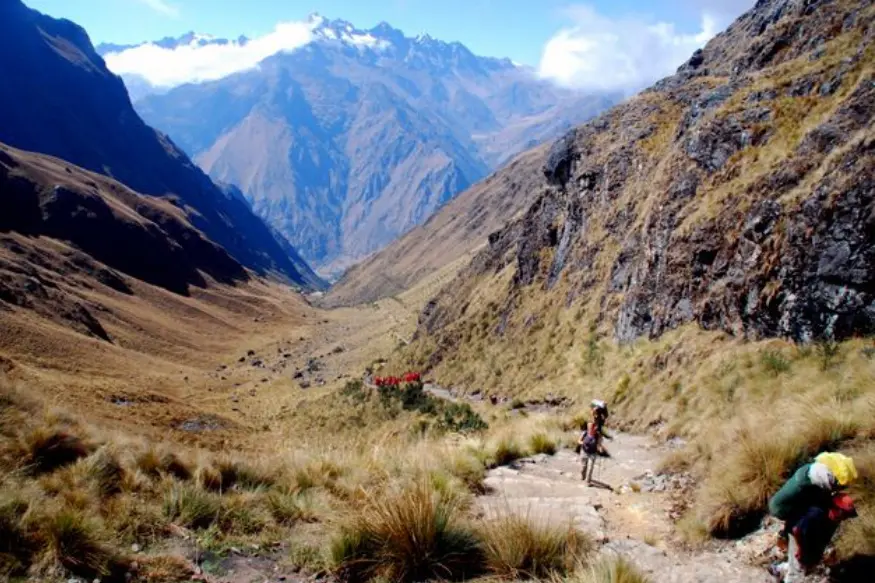
The Inca Trail is considered moderate to challenging. The most demanding section is Dead Woman’s Pass, which reaches approximately 4,200 meters.
You do not need to be an athlete, but you should have a reasonable level of fitness and allow time to acclimatize in Cusco.
Dry season, from May to October, offers the best conditions with clear skies and stable weather.
Rainy season, from November to April, brings greener landscapes and fewer crowds, but also wetter and more challenging trail conditions. The Inca Trail is closed in February for maintenance.
Learn more about the Best Time to Hike the Inca Trail
Prices typically range between $700 and $1,200 USD depending on the level of service.
Luxury or private experiences can include upgraded camping equipment, better meals, and more personalized service.
Yes — when planned correctly, the Inca Trail can become a refined and well-supported experience.
With Meta Peru Travel, you will benefit from smaller groups, expert guides, and premium logistics that enhance comfort while maintaining the authenticity of the trek.
Yes. The trek adds depth, meaning, and a sense of achievement to your visit.
It is challenging, but manageable with preparation and acclimatization.
Yes, with proper planning and a basic fitness level.
You should book at least 3 to 6 months in advance, especially for peak season.