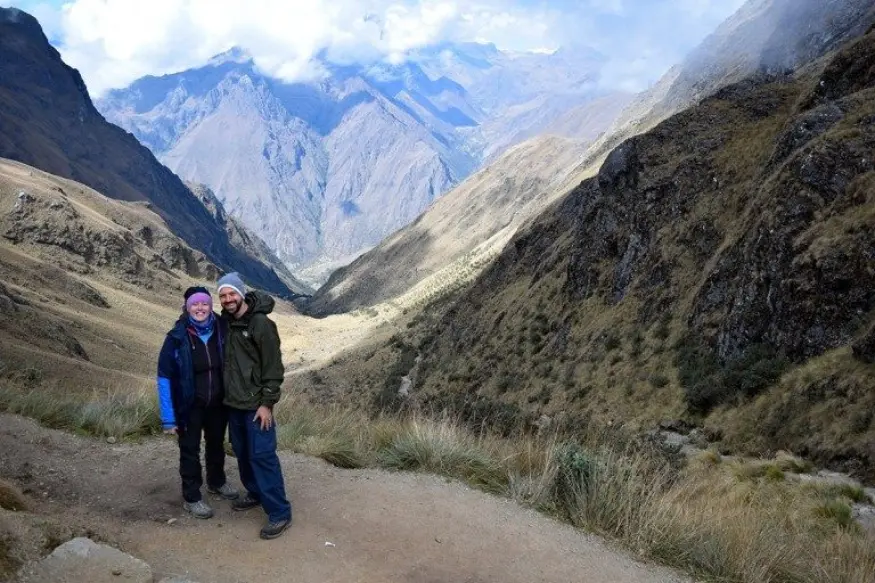
September is one of the best months to hike the Inca Trail to Machu Picchu. It combines many of the advantages of the dry season with slightly fewer visitors than the peak months of June, July, and August.
The landscapes remain lush after the early dry season, skies are usually crystal clear during the mornings, and rainfall is still relatively low compared to October and the beginning of the rainy season.
For travelers looking for excellent hiking conditions without experiencing the absolute peak of tourist crowds, September offers an outstanding balance.
In this guide, you'll learn everything you need to know before hiking the Inca Trail in September, including weather, temperatures, trail conditions, crowds, permit availability, packing recommendations, photography opportunities, and expert tips from local guides.
Yes.
For many experienced guides, September is actually one of the most underrated months on the Inca Trail.
Why? Because it offers:
If you're looking for the perfect combination of comfortable weather and beautiful landscapes, September deserves serious consideration.
September sits at the transition between the dry season and the beginning of the wetter months.
Although occasional afternoon showers become slightly more common than in August, the overall hiking experience remains excellent.
Most mornings begin with blue skies and sunshine, while clouds often develop later in the afternoon.
These changing conditions create dramatic mountain scenery and spectacular photography opportunities.
Rain is possible, but prolonged rainfall is uncommon.
Typically, hikers experience:
Unlike November or December, rain rarely disrupts trekking schedules.
Most tour departures operate normally throughout September.
September is often considered one of the most balanced months for hiking the Inca Trail. It offers excellent weather, beautiful scenery, and slightly fewer visitors than the peak months of the dry season.
September enjoys pleasant daytime temperatures, typically ranging from 18°C to 23°C (64°F–73°F). The weather is generally sunny and dry, creating ideal conditions for long days of trekking. While mornings are crisp, afternoons are comfortably warm without the intense heat found in lower elevations.
One of the biggest advantages of hiking in September is the incredible visibility. Clear mornings often reveal panoramic views of the Andes, with snow-capped peaks standing out against bright blue skies. These conditions make every viewpoint along the trail even more rewarding.
Although September falls near the end of the dry season, the Inca Trail still retains much of its vibrant vegetation. The cloud forest remains green, orchids continue to bloom, and the surrounding mountains offer a beautiful contrast between rocky peaks and lush valleys.
September provides one of the best temperature balances of the year. Days are warm enough for comfortable hiking, while cooler evenings make sleeping more pleasant. The weather is rarely too hot or too cold, making it suitable for hikers of all experience levels.
Photographers love September because of its stable weather and exceptional natural light. Early morning sunrises, dramatic mountain shadows, and occasional afternoon clouds create stunning landscapes throughout the trek. The famous arrival at the Sun Gate often rewards hikers with breathtaking views of Machu Picchu under clear skies.
While September remains a popular month, it is generally less crowded than June, July, and August. Campsites and archaeological sites often feel more relaxed, allowing hikers to enjoy the experience with fewer people while still benefiting from excellent trail conditions.
Although September is one of the best months to visit, there are still a few factors to consider before planning your trek.
As the dry season begins to transition toward the wetter months, short afternoon showers become slightly more common than in August. They are usually brief and rarely affect the overall hiking experience, but carrying waterproof gear is recommended.
Temperatures at campsites near Dead Woman's Pass (4,215 m / 13,828 ft) can still drop below freezing during the night. A quality sleeping bag and warm clothing are essential for staying comfortable.
September remains one of the most requested months for the Inca Trail. Permits frequently sell out several months in advance, especially for preferred departure dates. Booking five to seven months ahead is strongly recommended.
Packing the right equipment will help you stay comfortable as temperatures vary throughout the day. September offers mostly dry weather, but hikers should still be prepared for occasional rain and cold nights at higher elevations.
Pack lightweight layers that can easily be added or removed as temperatures change.
Recommended clothing includes:
Comfortable footwear is one of the most important pieces of gear for the trek.
Bring:
These items will improve both comfort and safety on the trail.
Nighttime temperatures can fall below freezing at the highest campsites.
For a comfortable night's sleep, bring:
With the right gear, September provides some of the most enjoyable hiking conditions of the year, allowing you to focus on the incredible scenery and the unforgettable journey to Machu Picchu.
Yes. The Inca Trail is fully open in September and operates daily through licensed tour operators.
Because September is one of the most popular months, it's best to book your permit 5–7 months in advance.
Yes. September's stable weather and dry trails make it one of the best months for first-time hikers.
September is generally drier than October, offering more reliable weather and better mountain visibility.
September remains a busy month, but it is usually less crowded than June, July, and August.
The highest point is Dead Woman's Pass (4,215 m / 13,828 ft). The altitude remains the same throughout the year.
Yes. September offers clear mornings, comfortable temperatures, and excellent visibility, making it one of the best months to visit Machu Picchu.
Wear moisture-wicking layers, a fleece, a waterproof jacket, hiking boots, and warm clothing for cold nights.
No. The trail remains open throughout September. The only annual closure is in February for maintenance.
Yes. September is considered the last full month of the dry season before rainfall gradually increases in October.