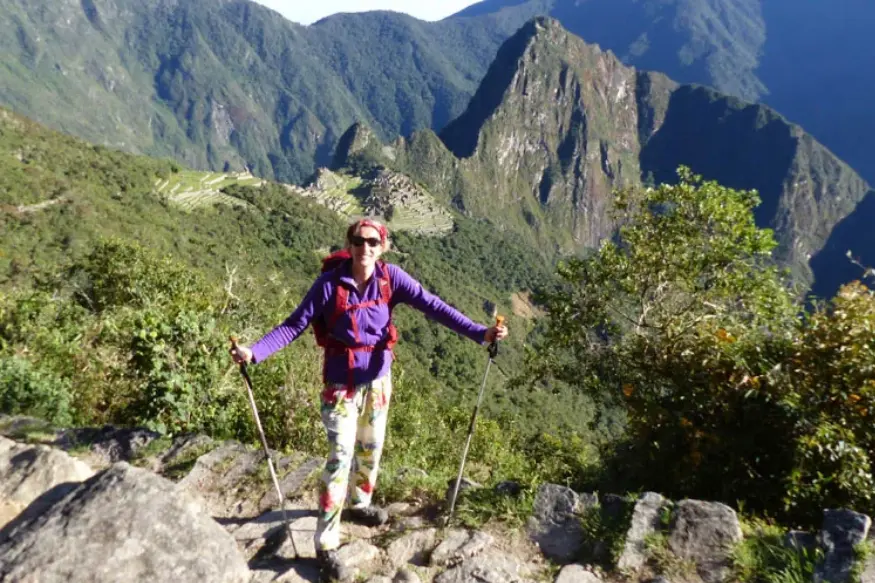
October is one of the most interesting months to hike the Inca Trail to Machu Picchu.
The long dry season is coming to an end, the first rains begin to return to the Andes, and the mountains slowly recover their green colors. At the same time, temperatures become slightly warmer, and the busiest months of the year are already behind you.
But October is also a transitional month.
One week can bring clear mornings and spectacular mountain views, while another may bring clouds, mist, and afternoon showers. Conditions can even change considerably during the four days of the trek.
So, is October a good time to hike the Inca Trail?
For many travelers, yes.
October can offer an excellent balance between relatively stable trekking conditions, warmer nights, greener landscapes, and fewer tourists around Cusco and Machu Picchu than during the peak months of June, July, and August.
However, choosing the right dates and arriving properly prepared can make a significant difference.
This guide explains everything you should know before hiking the Inca Trail in October, including weather, temperatures, rainfall, trail conditions, crowds, permits, difficulty, what to pack, and whether early or late October is better.
Yes. October is a good time to hike the Inca Trail, especially if you prefer fewer crowds and milder temperatures. It marks the transition into the rainy season, so expect mostly good hiking conditions with a higher chance of showers toward the end of the month.
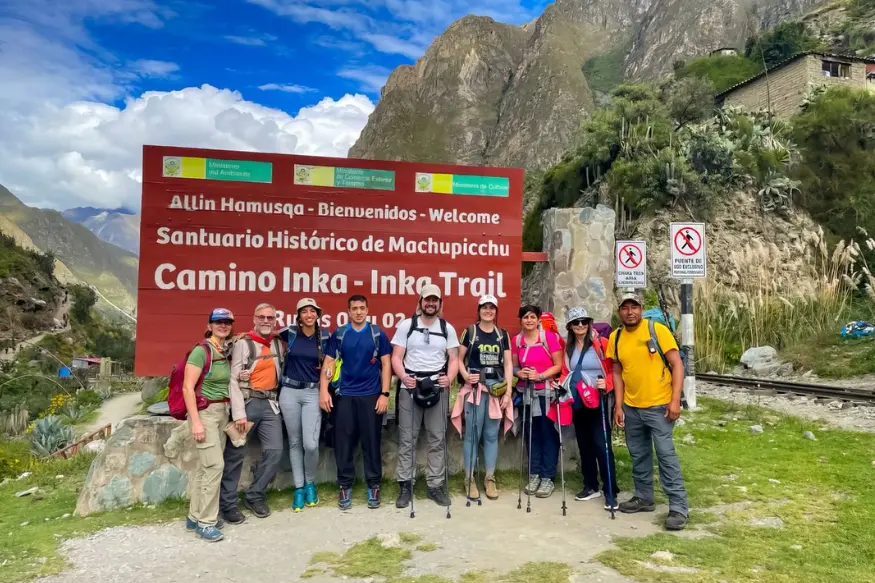
October is a transition month on the Inca Trail, so expect a mix of sunshine, clouds, and occasional rain. Mornings are often clearer, while showers are more likely in the afternoon, especially toward the end of the month.
| October Weather | What to Expect |
|---|---|
| Mornings | Often clear or partly cloudy |
| Afternoons | Cloudier with occasional showers |
| Rain | Moderate, increasing later in October |
| Daytime | Mild and comfortable for hiking |
| Nights | Cold, especially at higher camps |
| Landscape | Greener as the rainy season approaches |
| Trail | Mostly good; slippery after rain |
Overall, October offers good hiking conditions, but waterproof gear is essential.
Yes, rain is possible in October, but it is still a transition month rather than the heart of the rainy season. Showers tend to become more frequent toward the end of the month, so if you're hiking in late October, you should be a little more prepared for wet conditions.
That doesn't mean you should expect rain all day. You might get a short afternoon shower followed by sunshine, or even several mostly dry days. Weather in the Andes can change quickly, so keep a waterproof jacket and rain cover for your backpack within easy reach while hiking.
October is generally comfortable for hiking during the day, with temperatures often ranging between 15°C and 25°C (59°F–77°F). Once the sun goes down, however, it gets much colder, especially at the higher campsites.
| Conditions | Typical October Range |
|---|---|
| Daytime | 15–25°C / 59–77°F |
| High-altitude nights | 1–7°C / 34–45°F |
| Highest point | 4,215 m / 13,829 ft |
| Rain possibility | Moderate |
| Humidity | Increases closer to Machu Picchu |
| Overall conditions | Mild but changeable |
The higher sections of the trail are usually the coldest, while the descent toward Machu Picchu becomes warmer and more humid. Temperatures can change quickly in the mountains, so wearing layers is the easiest way to stay comfortable throughout the day.
October is when the landscape along the Inca Trail starts turning green again. The first rains bring more color to the valleys and vegetation, while the cloud forest becomes noticeably greener as you get closer to Machu Picchu.
| Along the Trail | What You'll See in October |
|---|---|
| High Andes | A mix of golden grasslands and returning green vegetation |
| Mountain views | Clear views mixed with clouds and occasional mist |
| Archaeological sites | Runkurakay, Sayacmarca and Phuyupatamarca surrounded by changing mountain scenery |
| Cloud forest | Greener and more humid vegetation |
| Wiñay Wayna | Lush terraces surrounded by dense vegetation |
| Near Machu Picchu | Warmer, greener and more tropical scenery |
October is especially interesting because you can see both sides of the season: some of the dry, golden Andean landscape and the fresh green scenery that arrives with the first rains.
October is usually quieter than June, July, and August, so you'll generally find fewer travelers around Cusco and Machu Picchu. On the Inca Trail itself, you will still meet other groups, but everyone walks at a different pace, so there are plenty of moments when the trail feels peaceful.
Keep in mind that fewer crowds don't necessarily mean permits are easy to find. The Inca Trail has a limited number of permits available each day, and popular October dates can still sell out. If you already know your travel dates, booking in advance is the safest option.
October may be shoulder season, but Inca Trail permits can still sell out. If you already have fixed travel dates, it's best to book several months in advance rather than waiting until you arrive in Cusco.
Permits are issued for a specific traveler and departure date, and availability is limited each day. Once a date is sold out, tour operators cannot add extra spaces.
Booking early also gives you more freedom to choose the dates and type of experience you want, especially if you're planning a private trek or traveling with a group.
The Inca Trail is challenging in October, but not because of the month itself. The real difficulty comes from the altitude, steep climbs, long stone staircases, and several hours of hiking each day.
Day 2 is usually the toughest, as you climb to Dead Woman's Pass (Warmiwañusca) at 4,215 meters (13,829 ft), the highest point of the entire trek. Even if you're in good shape, you'll feel the altitude here.
| Inca Trail Difficulty | What to Expect |
|---|---|
| Distance | Around 42 km / 26 miles |
| Highest point | 4,215 m / 13,829 ft |
| Hardest day | Day 2 |
| Main challenge | Altitude and steep climbs |
| October conditions | Some stone sections may be slippery after rain |
| Difficulty | Moderate to challenging |
You don't need to be an experienced trekker, but arriving acclimatized and in good physical condition will make a big difference. Trekking poles and hiking shoes with good grip are also especially useful if the trail is wet.
Altitude is something you should take seriously before starting the Inca Trail. Cusco sits at around 3,400 meters (11,150 ft), and the trek climbs even higher, reaching 4,215 meters (13,829 ft) at Dead Woman's Pass.
Try to spend at least 2–3 days in Cusco or the Sacred Valley before starting the trek. You don't need to do difficult hikes during this time; the idea is simply to give your body time to adjust.
Drink plenty of water, get enough rest, eat well, and avoid too much alcohol during your first days at altitude. A little preparation before the trek can make the experience much more comfortable.
The Inca Trail is generally in good condition throughout October, although occasional rain can make some sections wet or muddy. The original stone steps can also become slippery, particularly on the longer descents.
Weather can change quickly in the mountains, so keep your rain jacket close even when the day starts sunny. Good hiking shoes with grip and trekking poles will make wet sections much easier to handle.
Reaching Machu Picchu through the Sun Gate is the final highlight of the Inca Trail. In October, you may arrive to clear mountain views, passing clouds, or a little morning mist, and conditions can change quickly as the morning progresses.
If you want to know what the weather, crowds, and overall experience are like once you reach the citadel, our guide to Machu Picchu in October covers everything you need to know before your visit.
October can bring sunshine, cold mornings, and occasional rain, so the key is to pack light while being ready for changing weather.
| What to Bring | Why You'll Need It |
|---|---|
| Waterproof jacket | For rain and changing mountain weather |
| Backpack rain cover | Keeps your clothes and gear dry |
| Hiking shoes | Good grip for wet stone steps |
| Trekking poles | Helpful on steep and slippery descents |
| Fleece or warm jacket | For cold mornings and campsites |
| Quick-dry clothing | More comfortable if you get wet |
| Sun protection | Hat, sunglasses and sunscreen |
| Gloves and beanie | Useful at higher elevations |
| Headlamp | Essential around camp and for early starts |
| Insect repellent | Useful closer to Machu Picchu |
Try not to overpack. Carrying unnecessary weight makes the climbs much harder, especially at altitude.
For a complete checklist covering clothing, equipment, and personal items, see our Inca Trail Packing List.
October can be a great month for travelers who want good hiking conditions without the atmosphere of the busiest dry-season months.
| Advantage | What It Means for You |
|---|---|
| Warmer nights | Evenings are generally milder than in June or July |
| Greener landscapes | The first rains begin bringing the mountains back to life |
| Fewer crowds | Cusco and Machu Picchu are usually quieter than during peak season |
| Great photography | Clouds, mist and changing light create dramatic mountain views |
| Good weather balance | Many dry periods with occasional rain |
| More vegetation | Flowers and greenery begin returning along the trail |
October is especially appealing if you don't mind occasional rain and prefer greener landscapes, milder temperatures, and fewer peak-season crowds.
October is a good month for the Inca Trail, but there are a few things to keep in mind before choosing your dates.
| Disadvantage | What to Expect |
|---|---|
| More chance of rain | Showers become more common toward late October |
| Slippery sections | Stone steps can be slippery after rain |
| Changing visibility | Clouds or mist may temporarily cover mountain views |
| Unpredictable weather | Conditions can change quickly during the day |
| Permits can sell out | Popular October departures still need to be booked ahead |
None of these should stop you from hiking in October. With good rain gear, proper footwear, and a little flexibility, they are simply part of the experience.
Ready to hike the Inca Trail in October? Our Classic Inca Trail 4 Days follows the original route through archaeological sites, high mountain passes and cloud forest before reaching Machu Picchu through the Sun Gate.
Yes. October is a good time to hike the Inca Trail, with mild daytime temperatures, fewer peak-season crowds, and increasingly green landscapes. Just be prepared for occasional rain, especially later in the month.
It can rain in October, but usually not all day. Short afternoon showers are more common, and the chance of rain gradually increases toward the end of the month.
Early October is usually better if you prefer drier and more stable weather. Late October tends to be greener, but there is a greater chance of rain and cloudy conditions.
Yes. The Inca Trail is open throughout October. The trail normally closes in February for annual maintenance.
Daytime temperatures are generally comfortable, often around 15–25°C (59–77°F). At higher campsites, nighttime temperatures can drop to around 1–7°C (34–45°F).
Yes, clear views of Machu Picchu are possible in October. However, clouds and morning mist can sometimes reduce visibility. Conditions often change quickly, so a cloudy arrival doesn't necessarily mean it will stay that way.
Booking several months in advance is recommended, especially if your travel dates are fixed. Inca Trail permits are limited and popular October departures can still sell out.
Water-resistant hiking shoes or boots with good grip are highly recommended. October rain can make the original stone steps wet and slippery, particularly on the descents.
It depends on what you prefer. June and July generally offer drier and more stable weather, while October brings milder nights, greener landscapes, and fewer peak-season crowds. If occasional rain doesn't bother you, October can be an excellent alternative.