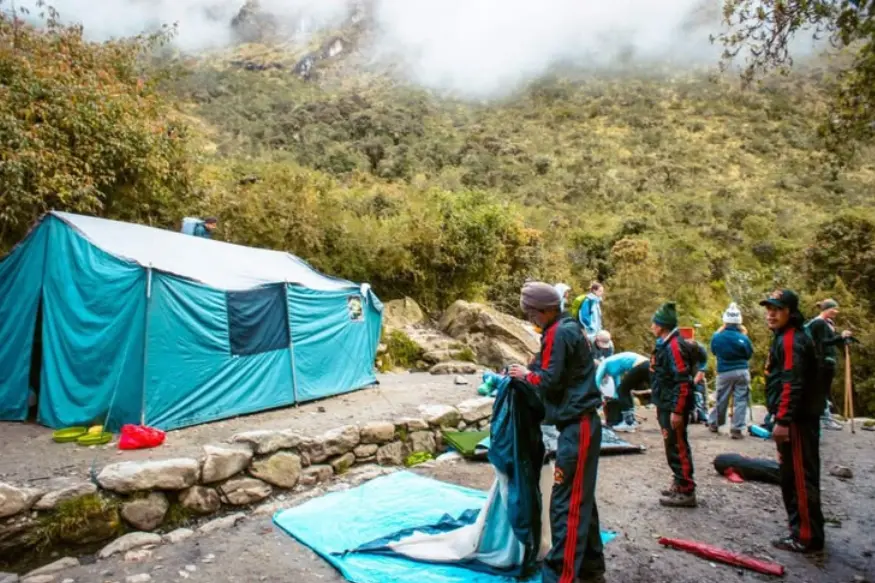
Hiking the Inca Trail in March is one of the most beautiful ways to experience the ancient route to Machu Picchu. After the February closure, the trail reopens with lush green landscapes, fresh mountain air, blooming vegetation, and a quieter atmosphere than the busy dry-season months.
March is still a transition month between the rainy season and the drier months, so travelers should expect a mix of light rain, clouds, fresh air, and occasional clear views over the Andes. For luxury travelers, this month offers a rare balance: fewer crowds, dramatic scenery, and a more intimate connection with the Sacred Valley and Machu Picchu.
Yes, March can be an excellent month to hike the Inca Trail, especially for travelers who prefer a more peaceful and atmospheric experience.
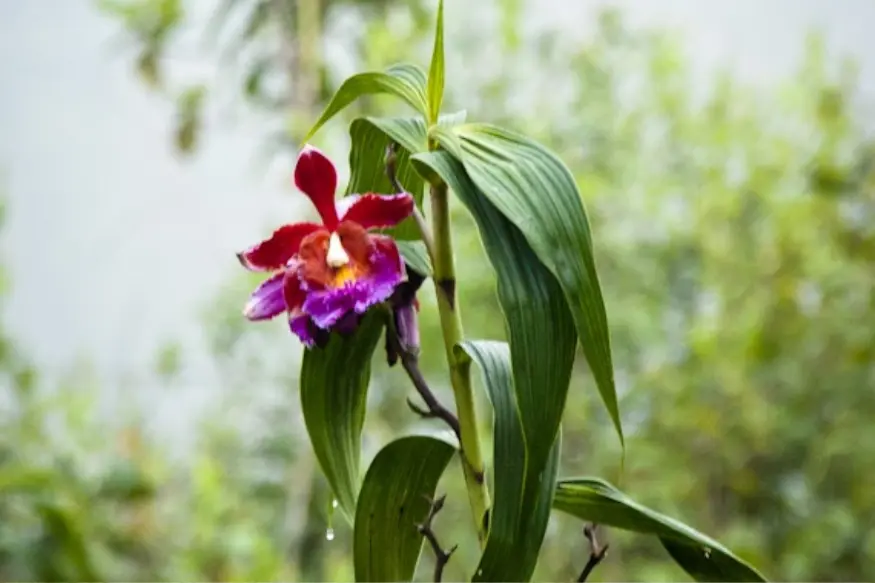
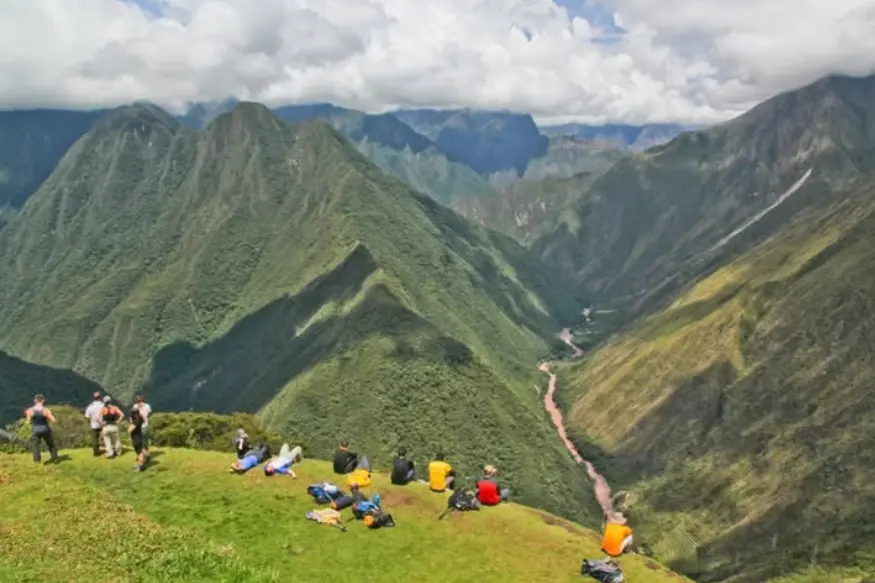
The landscapes are especially beautiful after the rains. Mountains are covered in deep green tones, orchids begin to appear along the route, and the cloud forest feels alive. Unlike June, July, or August, March usually has fewer hikers on the trail, creating a more exclusive experience for those who value privacy and space.
However, March is not the driest month. Rain is still possible, especially in the afternoon or evening. Trails can be muddy in some sections, and visibility may change quickly. For this reason, March is ideal for travelers who enjoy nature, soft adventure, and a flexible luxury travel style rather than only seeking perfect blue skies.
The weather on the Inca Trail in March is generally mild during the day and cool at night. Daytime temperatures can feel comfortable while hiking, but nights at higher campsites may be cold.
March is considered the end of the rainy season in the Cusco and Machu Picchu region. Rain showers are still common, but they often come in short periods rather than lasting all day. The benefit is that the scenery is at its greenest and most photogenic.
Typical March conditions may include:
For luxury travelers, the key is not to avoid March, but to travel with the right preparation: premium rain gear, high-quality trekking boots, private pre-trek support, and a carefully designed itinerary.
March is not the classic “dry season” image many travelers imagine, but that is exactly what makes it unique.
The route feels more mysterious. Clouds move across the mountains, ancient stone paths shine after the rain, and archaeological sites such as Wiñay Wayna can feel almost cinematic. The arrival at the Sun Gate may come with mist, sun, or a dramatic mix of both.
For many high-end travelers, this is part of the beauty. The Inca Trail in March offers emotion, atmosphere, and authenticity. It feels less commercial and more connected to the natural rhythm of the Andes.
Permits are required to hike the Classic Inca Trail. Availability is limited because access to the route is controlled to protect the historic path and its surrounding ecosystem.
March permits may be easier to secure than peak-season months such as May, June, July, or August, but they can still sell out, especially around early March when the trail reopens. For travelers seeking a luxury experience with top guides, better camping logistics, private service, or premium hotels before and after the trek, booking in advance is strongly recommended.
Both versions can be excellent in March, depending on your travel style.
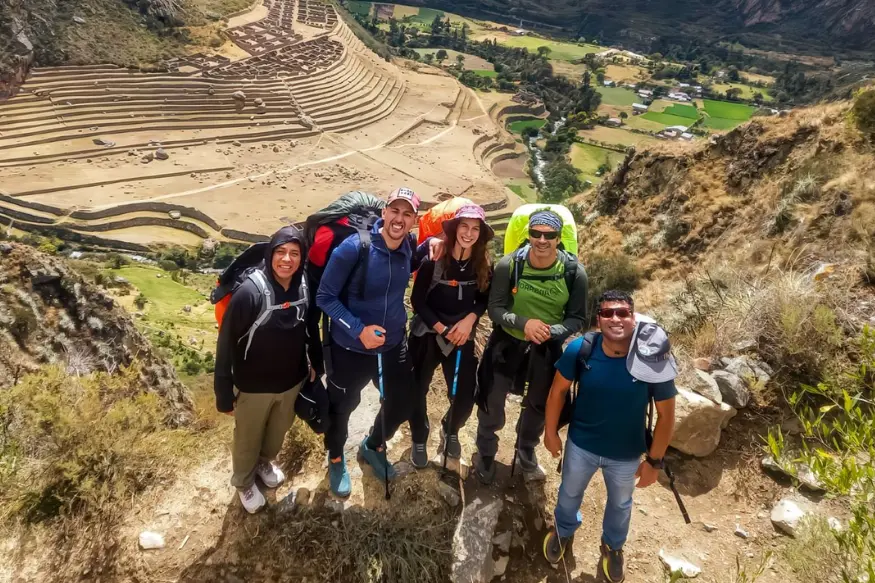
The Classic Inca Trail is the most iconic option. It includes mountain passes, cloud forest, archaeological sites, campsites, and the famous arrival to Machu Picchu through the Sun Gate.
This is the best choice for travelers who want the complete pilgrimage experience.
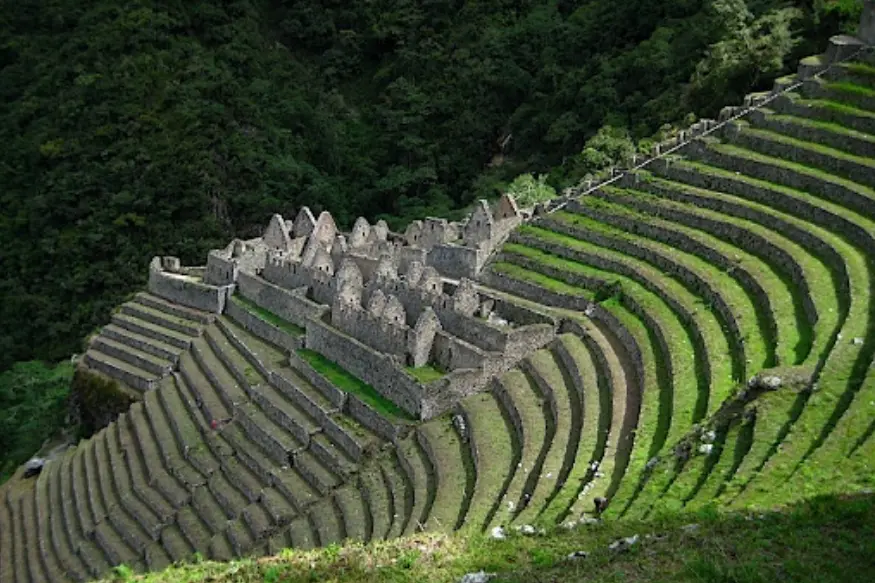
The Short Inca Trail is ideal for luxury travelers who want the beauty of the trail without camping. It usually starts at Km 104 and includes highlights such as Chachabamba, Wiñay Wayna, and the approach to Machu Picchu.
This option works very well in March because travelers can enjoy the trail during the day and sleep in a comfortable hotel in Aguas Calientes at night.
For a luxury page, the Short Inca Trail can be positioned as the most elegant and comfortable way to experience the Inca Trail in March.
A luxury Inca Trail experience is not only about comfort. It is about timing, privacy, service, and attention to detail.
A premium March itinerary may include:
For travelers who prefer not to camp, the Short Inca Trail combined with a luxury hotel in Machu Picchu Pueblo is the best alternative.
Packing correctly is very important in March because the weather can change quickly.
Recommended items include:
Luxury travelers should avoid overpacking. The best experience comes from traveling light but with high-quality essentials.
For the best experience, spend at least two nights in Cusco or the Sacred Valley before starting the trek. This helps with altitude acclimatization and allows the journey to feel more relaxed.
Cusco is perfect for travelers who want historic architecture, fine dining, and access to cultural experiences before the trek.
The Sacred Valley is often better for acclimatization because it sits lower than Cusco. It also offers a more peaceful setting, ideal before a demanding hike.
After the Short Inca Trail or after completing the Classic Inca Trail, a luxury hotel near Machu Picchu Pueblo can transform the final part of the journey into a more comfortable and restorative experience.
March is generally quieter than the high season. This is one of the biggest advantages of hiking during this month.
Because the trail has just reopened after February maintenance, the route feels fresh and less crowded. Machu Picchu itself may still receive many visitors, but the hiking experience is usually more peaceful than during June, July, and August.
For travelers looking for exclusivity, March is a smart choice.
The Inca Trail can be safely hiked in March with a professional operator, experienced guides, proper equipment, and good planning.
The main challenges are rain, slippery stones, muddy sections, and changing visibility. These are manageable with the right footwear, trekking poles, and expert guidance.
Travelers should also be prepared for altitude. The highest point of the Classic Inca Trail is Dead Woman’s Pass, located at around 4,215 meters above sea level. Spending time in Cusco or the Sacred Valley before the trek is highly recommended.
For luxury travelers, the pros often outweigh the cons, especially when the itinerary is designed with flexibility and comfort.
The Inca Trail in March is best for travelers who want a more atmospheric, less crowded, and visually rich experience.
It is ideal for:
It may not be ideal for travelers who want guaranteed dry weather every day.
Yes. The Inca Trail usually reopens in March after its annual February closure.
Yes, rain is still possible in March because it is the end of the rainy season. However, rain often comes in showers, and the landscapes are very green.
March can be a good month for Machu Picchu if you prefer fewer crowds and lush scenery. Travelers should be prepared for changing weather.
March is usually less crowded than the peak dry-season months. This makes it attractive for travelers looking for a quieter experience.
Wear layers, waterproof hiking boots, quick-dry clothing, and a good rain jacket. Trekking poles are also recommended.
Yes. The Short Inca Trail is a great option in March, especially for luxury travelers who want to avoid camping and stay in a comfortable hotel after the hike.
It is best to book several months in advance, especially if you want private service, premium guides, or specific Machu Picchu route options.
March is greener and quieter, while April usually has more stable weather. March is better for atmosphere and fewer crowds; April is better for drier conditions.