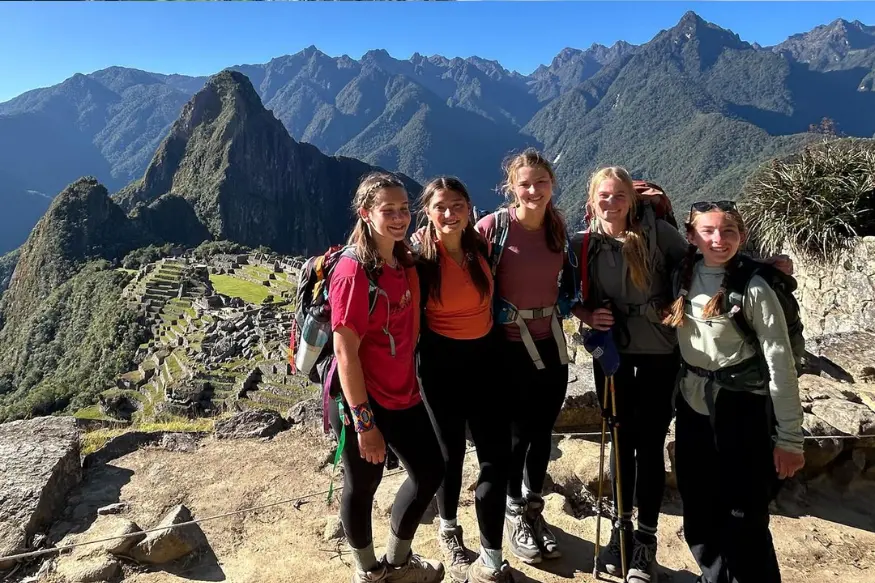
The Inca Trail in August is one of the most rewarding trekking experiences in Peru. Falling in the heart of the Andean dry season, August offers sunny days, crystal-clear mountain views, and excellent trail conditions that attract hikers from around the world. If you've dreamed of reaching Machu Picchu through the original Inca Trail, this month provides some of the best opportunities to experience the route at its finest.
However, August is also one of the busiest months of the year. The combination of stable weather and international summer holidays means permits sell out months in advance, campsites are fully booked, and Machu Picchu welcomes thousands of visitors every day.
Choosing August means balancing ideal hiking conditions with careful planning. Booking early, preparing for cold nights, and understanding the altitude are essential steps to ensure a successful adventure.
In this guide, you'll discover everything you need to know before hiking the Inca Trail in August, including weather conditions, temperatures, permit availability, crowds, packing recommendations, altitude tips, and practical advice from local experts.
Absolutely, August is considered one of the best months to hike the Classic 4-day Inca Trail to Machu Picchu.
The dry season is fully established across the Cusco region, bringing reliable weather, almost no rainfall, and exceptional visibility throughout the trail. Ancient archaeological sites such as Llactapata, Runkurakay, Sayacmarca, Phuyupatamarca, and Wiñay Wayna look spectacular under clear blue skies, while the surrounding Andes remain beautifully illuminated throughout the day.
Unlike the rainy season, when muddy trails can become slippery and clouds often obscure the scenery, August provides stable trekking conditions that make steep sections more enjoyable and safer.
Another reason many hikers choose August is the comfortable daytime climate. While temperatures remain cool during the mornings and evenings, afternoons are generally pleasant for long hours of hiking without excessive heat.
The only significant drawback is demand. August is one of the peak tourism months in Peru, meaning permits, train tickets, hotels, and guided tours often sell out several months before departure.
If you're willing to plan ahead, August offers one of the best overall experiences available on the Inca Trail.
August is considered one of the best months to hike the Inca Trail thanks to its dry weather, exceptional visibility, and stable trail conditions. Here are the main advantages of choosing this month for your trek:
Although August offers excellent hiking conditions, it's also one of the busiest months of the year. Keep these challenges in mind before planning your trip:
August falls within Peru's dry season, which typically extends from May through September. During this period, rainfall is minimal, skies remain mostly clear, and daytime conditions are highly favorable for trekking.
The trail crosses several ecological zones—from high-altitude mountain passes to humid cloud forests—so temperatures vary considerably depending on your location and the time of day.
During the afternoon, hikers can generally expect temperatures between 18°C and 23°C (64°F to 73°F).
These mild conditions make long trekking days much more comfortable than in warmer climates, allowing hikers to enjoy steep ascents without excessive heat.
Sunlight at high altitude, however, is extremely intense. Even when the air feels cool, ultraviolet radiation is much stronger than at sea level, making sunscreen, sunglasses, and hats essential.
Nighttime temperatures drop significantly after sunset.
Depending on the campsite, temperatures commonly range between -2°C and 5°C (28°F to 41°F).
At higher elevations—especially near Dead Woman's Pass—temperatures may briefly fall below freezing.
This is why reputable tour operators recommend sleeping bags rated for at least -10°C (14°F) during the dry season.
August is one of the driest months of the year.
Most hiking days are completely dry, allowing trekkers to enjoy panoramic mountain views with minimal cloud cover.
Although rain is uncommon, weather in the Andes can change quickly. A brief afternoon shower remains possible, particularly near cloud forest sections closer to Machu Picchu.
Packing a lightweight waterproof jacket is still recommended.
Humidity levels are relatively low compared to the rainy season.
The dry mountain air makes hiking feel comfortable, although it also increases the risk of dehydration.
Trekkers should drink water regularly throughout the day, even if they don't feel particularly thirsty.
Strong winds can develop at higher elevations, especially when crossing mountain passes above 4,000 meters.
Windproof outer layers become particularly valuable during early morning departures and rest stops.
One advantage of August is the excellent visibility during sunrise.
Watching the first sunlight illuminate the surrounding peaks is often one of the highlights of the entire trek.
Approximate daylight hours:
These stable daylight hours allow for comfortable hiking schedules each day.
August is one of the busiest months on the Inca Trail.
Its combination of dry weather and the Northern Hemisphere summer holidays attracts visitors from around the world, making permit availability highly competitive.
Although the trail never feels overcrowded—thanks to Peru's strict permit system—popular campsites, train services, and hotels in Cusco and Aguas Calientes fill up quickly.
You should also expect longer lines at bus stations, railway terminals, and Machu Picchu's main entrance compared to quieter months.
The advantage is that visitor numbers on the trail itself remain carefully controlled, preserving the overall trekking experience.
One of the biggest challenges of hiking in August is securing a permit.
The Peruvian government limits access to the Classic Inca Trail through a daily quota of 500 permits, a figure that includes hikers, guides, cooks, and porters.
As a result, the number of permits available for tourists is significantly lower than many travelers expect.
August dates often sell out six to eight months in advance, especially around weekends and holiday periods.
If you're planning to hike during this month, booking as early as possible is strongly recommended.
For travelers who miss out on Classic Inca Trail permits, the Short Inca Trail (2 Days) can sometimes remain available for longer, although it also experiences high demand during August.
Packing properly for the Inca Trail in August is essential due to the significant temperature changes between warm afternoons and freezing nights. Wearing layers and carrying the right gear will keep you comfortable throughout the trek while reducing unnecessary weight in your backpack.
Choose lightweight, breathable clothing that can be layered throughout the day.
Bring:
Avoid cotton clothing, as it absorbs moisture and takes much longer to dry.
Your hiking boots will have the biggest impact on your comfort during the trek.
Recommended footwear includes:
If possible, hike several times with your boots before arriving in Peru to prevent blisters.
A well-organized backpack makes hiking much easier.
Essential gear includes:
Even though August is dry, protecting your equipment from unexpected rain is always recommended.
Keep your toiletries simple and lightweight.
Suggested items:
Always carry your important documents in a waterproof pouch.
Don't forget:
Planning ahead can make the difference between a good trek and an unforgettable one.
Follow these expert recommendations:
Yes. August is one of the best months to hike the Inca Trail thanks to its dry weather, clear skies, and excellent trail conditions.
Nighttime temperatures at higher campsites can drop below 0°C (32°F), while daytime temperatures are usually mild and comfortable for hiking.
Rain is uncommon in August because it falls during Peru's dry season. However, short afternoon showers are still possible near the cloud forest.
The Classic Inca Trail is considered a moderate to challenging trek due to its altitude, steep stone steps, and multiple days of hiking.
Most travelers should reserve their permits six to eight months in advance, as August is one of the busiest months of the year.
Bring layered clothing, waterproof hiking boots, a warm sleeping bag, rain gear, sunscreen, and trekking essentials suitable for cold nights and sunny days.
August typically offers sunny days, cool mornings, cold nights, and very little rainfall, making it one of the driest months for hiking.
Yes. August is part of Peru's peak tourist season, so permits, trains, hotels, and Machu Picchu are generally busier than during other months.
Yes. Beginners with good physical fitness and proper acclimatization can successfully complete the Classic Inca Trail.
If permits are unavailable, travelers can consider the Short Inca Trail, the Salkantay Trek, or other alternative routes to Machu Picchu.
Some hikers experience mild altitude sickness, especially above 4,000 meters. Spending two or three days in Cusco before the trek helps reduce the risk.
Absolutely. August combines dry weather, spectacular mountain views, and excellent hiking conditions, making it one of the best months to experience the Classic Inca Trail.
The Inca Trail in August offers some of the best hiking conditions of the year, combining dry weather, breathtaking Andean scenery, and exceptional visibility along one of the world's most iconic trekking routes. While August is also one of the busiest months, planning ahead by securing your permit early and preparing for high-altitude conditions will help ensure a smooth and rewarding experience.
Whether you're seeking spectacular mountain landscapes, fascinating Inca archaeological sites, or the unforgettable moment of entering Machu Picchu through the Sun Gate, August delivers an adventure that is well worth the effort. With the right preparation, you'll be ready to enjoy every step of this once-in-a-lifetime journey.