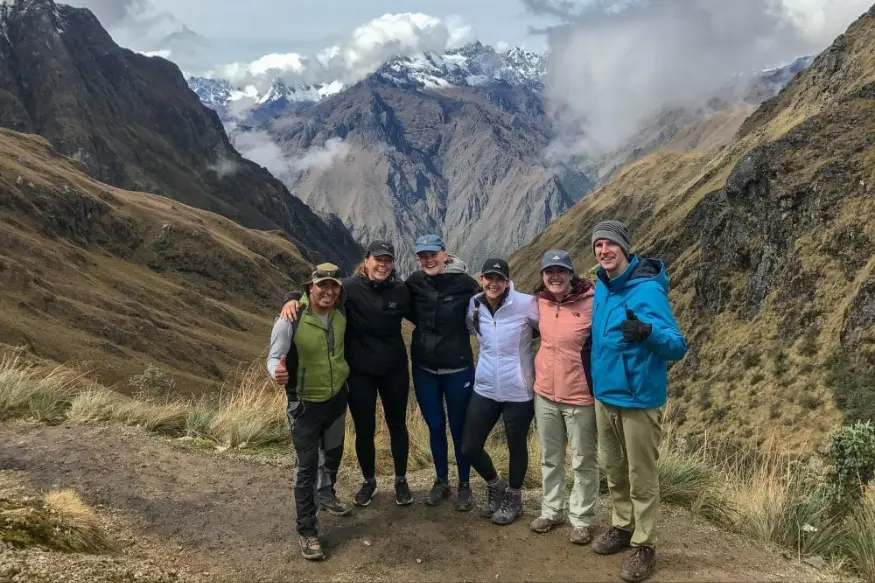
The Inca Trail in July is one of the most sought-after trekking experiences in Peru. As the heart of the dry season in the Andes, July offers sunny days, clear mountain views, and ideal trail conditions, making it one of the best months to hike to Machu Picchu.
However, these perfect conditions also attract thousands of visitors. July is one of the busiest months on the Classic Inca Trail, and permits often sell out many months in advance. Knowing what to expect—from temperatures and trail conditions to permit availability and packing recommendations—will help you prepare for a safer and more enjoyable trek.
In this guide, you'll learn everything you need to know about hiking the Inca Trail in July.
Yes. July is widely considered one of the best months to hike the Inca Trail.
The dry season is fully established across the Cusco region, bringing stable weather, almost no rainfall, and excellent visibility throughout the route. Dry trails also make steep sections easier to navigate compared to the rainy season.
The only significant drawback is the number of visitors. Since July falls within Peru's peak tourism season, campsites, Machu Picchu, and train services are busier than during most other months. Permits also become scarce much earlier than usual.
If you don't mind sharing the trail with more hikers and you're able to book well in advance, July offers some of the most rewarding trekking conditions of the year.
Weather is the main reason why so many travelers choose July.
Unlike the rainy months, precipitation is uncommon, allowing hikers to enjoy uninterrupted views of snow-capped mountains, cloud forests, and Inca archaeological sites.
Although the days are pleasantly warm under direct sunlight, temperatures change dramatically after sunset because of the high altitude.
| Weather Condition | July |
|---|---|
| Day Temperature | 16–22°C (61–72°F) |
| Night Temperature | 0–3°C (32–37°F) |
| Rainfall | Very Low |
| Humidity | Low |
| Trail Conditions | Dry |
| Visibility | Excellent |
The combination of warm afternoons and freezing nights makes layering your clothing essential.
Rain is uncommon during July.
As one of the driest months of the year, most hikers complete the trek without experiencing significant rainfall. Occasional light showers can still occur because mountain weather is naturally unpredictable, but prolonged rain is rare.
Rather than preparing for heavy rain, most hikers should focus on protecting themselves from strong sunlight and cold nighttime temperatures.
A lightweight waterproof jacket is generally sufficient for unexpected showers.
Trail conditions are among the best you'll find all year.
Because the ground remains dry, rocky paths become less slippery, making steep ascents and descents safer than during the wet season.
Stone staircases dry quickly after occasional showers, and muddy sections are minimal.
These favorable conditions reduce the risk of slipping, although good hiking boots with proper grip are still essential due to the uneven terrain.
July is one of the busiest months on the Inca Trail.
Hundreds of trekkers begin the route every day, and campsites are usually at full capacity. You'll also encounter more visitors at major archaeological sites and when arriving at the Sun Gate before entering Machu Picchu.
Despite the larger crowds, the trail rarely feels overcrowded while hiking because groups naturally spread out throughout the day.
If quieter trails are important to you, July may not be the ideal month. If your priority is reliable weather, however, the crowds are often considered a worthwhile trade-off.
Obtaining permits is one of the biggest challenges of hiking in July.
The Peruvian government strictly limits access to protect the archaeological trail. Only 500 permits are issued each day, and this total includes guides, cooks, and porters, meaning the number of available spaces for hikers is much lower.
Because July coincides with international summer vacations and Peru's peak tourism season, permits frequently sell out six to eight months in advance, and popular departure dates may disappear even earlier.
Booking early is strongly recommended if you plan to hike during July.
Packing correctly is essential because July combines strong sunshine with freezing nights.
Packing warm layers is generally more important than carrying extensive rain gear in July.
Reserve your permit as early as possible, especially if your travel dates are fixed.
Spend at least two or three days acclimatizing in Cusco before beginning the trek to reduce the risk of altitude sickness.
Dress in layers so you can adapt quickly to changing temperatures throughout the day.
Don't underestimate the sun. Even on cool days, UV radiation is intense at high altitude, so sunscreen, sunglasses, and a hat are essential.
Finally, carry warm clothing in your daypack rather than inside your duffel bag. Early mornings before leaving camp are often the coldest moments of the entire trek.
Yes. The Inca Trail is open throughout July and is one of the most popular months for hiking.
Nighttime temperatures commonly drop to around 0°C (32°F), and camps at higher elevations may experience below-freezing conditions.
Yes, provided hikers have a reasonable level of fitness and spend a few days acclimatizing in Cusco before the trek.
A sleeping bag rated to -10°C (14°F) is recommended for comfortable camping during July.