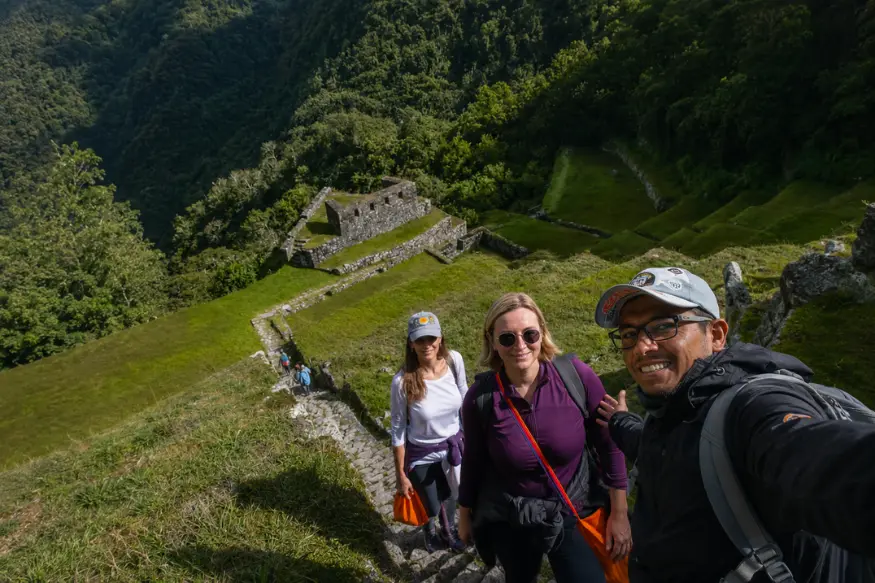
June is widely considered one of the best months to hike the Classic 4-Day Inca Trail to Machu Picchu. As the dry season becomes fully established in the Peruvian Andes, trekkers enjoy sunny days, spectacular mountain views, and ideal trail conditions.
However, June is also one of the busiest months of the year. Inca Trail permits sell out months in advance, campsites become livelier, and Machu Picchu welcomes thousands of visitors daily. Understanding what to expect before booking can make a significant difference in your experience.
In this guide, you'll learn everything you need to know about hiking the Inca Trail in June, including weather conditions, temperatures, permit availability, crowds, packing recommendations, altitude considerations, and practical tips from local experts.
June marks the beginning of Peru's peak trekking season. The rainy months have ended, leaving behind dry paths, greener landscapes, and excellent visibility across the Andes.
Unlike the wet season, when clouds can hide many of the spectacular mountain panoramas, June often offers uninterrupted views of snow-capped peaks, cloud forests, and ancient Inca archaeological sites throughout the route.
For photographers, outdoor enthusiasts, and first-time trekkers, June provides some of the most reliable weather conditions of the year.
Main Advantages:
June belongs to the heart of the Andean dry season. Although rainfall becomes much less frequent, temperatures vary considerably depending on altitude and time of day.
During daylight hours, hiking conditions are generally pleasant. However, mornings and nights can become surprisingly cold, especially at higher elevations.
| Weather Factor | Typical Conditions in June |
|---|---|
| Daytime Temperature | 17–22°C (63–72°F) |
| Night Temperature | -2–5°C (28–41°F) |
| Rainfall | Low; occasional light showers |
| Humidity | Low |
| Daylight Hours | Approximately 10–11 hours |
| Trail Conditions | Dry and excellent for hiking |
| Visibility | Outstanding mountain views |
June offers some of the most stable weather conditions of the year on the Inca Trail. Days are generally warm and sunny, while nights can become cold at higher elevations. Because rainfall is minimal, hikers usually enjoy dry trails, clear mountain views, and excellent conditions for trekking and photography.
The altitude on the Inca Trail is the same year-round, but June's cool, dry weather often makes the trek feel more comfortable than during the rainy season. However, the reduced rainfall does not lessen the effects of high altitude, so proper acclimatization is still essential.
The highest point of the Classic Inca Trail is Dead Woman's Pass (Warmiwañusqa), which reaches 4,215 m (13,828 ft) above sea level. At this elevation, oxygen levels are significantly lower than at sea level, making steep climbs more physically demanding, especially for hikers who have recently arrived in Peru.
To reduce the risk of altitude sickness, spend at least two days in Cusco or the Sacred Valley before starting the trek. Staying hydrated, eating light meals, avoiding excessive alcohol, and maintaining a steady hiking pace can also help your body adjust to the altitude.
Expert Tip: Altitude affects every hiker differently. Even experienced trekkers should spend at least two days acclimatizing before starting the Inca Trail.
| Location | Elevation |
|---|---|
| Cusco | 3,399 m (11,152 ft) |
| Sacred Valley | 2,800–2,900 m (9,186–9,514 ft) |
| Dead Woman's Pass | 4,215 m (13,828 ft) |
| Machu Picchu | 2,430 m (7,972 ft) |
The Peruvian government limits the number of daily Inca Trail permits, which include hikers, guides, and porters. Once all permits are allocated, no additional spaces become available. Because June is one of the busiest months of the year, availability often disappears several months in advance, making early booking essential.
For June departures, many dates are fully booked six to eight months in advance, particularly around school holidays and the Inti Raymi festival.
Booking Tips
June is one of the busiest months on the Inca Trail. As one of the first months of the dry season, it attracts thousands of hikers from around the world. Permits often sell out months in advance, and you'll encounter more visitors in Cusco, along the trail, and at Machu Picchu. However, thanks to the permit system that limits the number of people entering the trail each day, the hike rarely feels overcrowded.
During June, you can expect:
Although June is a peak travel month, the Inca Trail remains an enjoyable experience. Hiking groups naturally spread out throughout the day, allowing you to enjoy long stretches of the trail in relative peace while still benefiting from the vibrant atmosphere of the trekking season.
Packing for the Inca Trail in June requires preparing for warm, sunny days and cold nights at high altitude. The best approach is to dress in layers and carry lightweight, functional gear that keeps you comfortable in changing mountain conditions.
| Category | Recommended Items |
|---|---|
| Clothing | Moisture-wicking base layers, lightweight hiking shirts, fleece jacket, down jacket, waterproof shell, hiking pants, thermal leggings, warm gloves, wool hat, sun hat, neck buff |
| Footwear | Waterproof hiking boots, camp shoes or sandals, hiking socks, thermal socks |
| Accessories | Sunglasses, SPF 50+ sunscreen, lip balm, trekking poles, headlamp, reusable water bottle, power bank, camera |
Packing Tips
No. Daytime temperatures are generally comfortable for hiking, ranging between 17°C and 22°C (63–72°F). However, temperatures at higher campsites may drop below freezing overnight, so warm clothing and a suitable sleeping bag are essential.
June is one of the driest months on the Inca Trail. Although brief showers are still possible, prolonged rainfall is uncommon, and hikers usually enjoy clear skies and dry trail conditions.
Yes. June is one of the highest-demand months for the Inca Trail. Many departure dates sell out six to eight months before the trekking season, especially around Inti Raymi and school holidays.
Both months offer excellent hiking conditions. May generally has slightly fewer visitors, while June provides more predictable weather and coincides with Cusco's most important cultural celebrations.
Yes. June's dry trails and stable weather make it one of the best months for first-time trekkers. However, proper acclimatization and a reasonable level of fitness are still essential because of the high altitude.