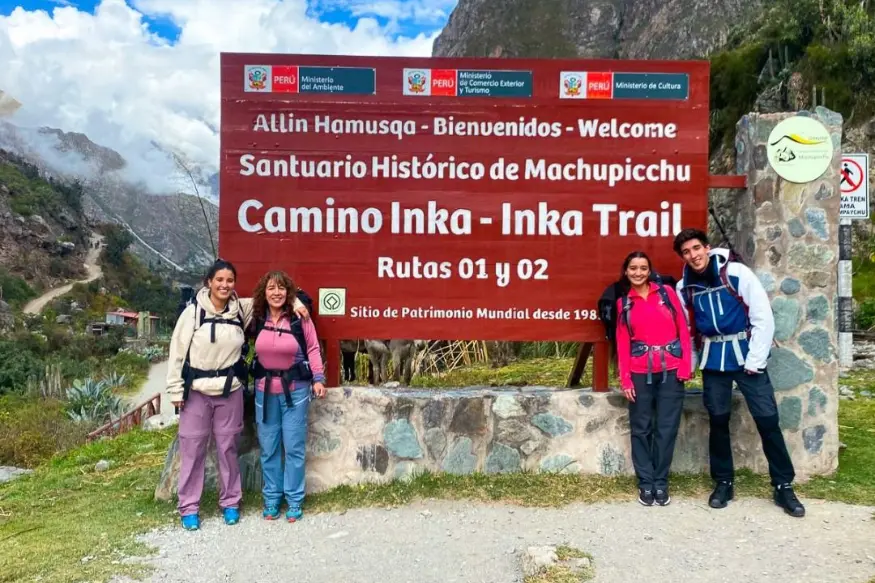
The Inca Trail in January is one of the least crowded times of the year to hike to Machu Picchu. However, it is also part of the rainy season in Peru, meaning hikers should expect wet trails, cloud forests covered in mist, lush green landscapes, and unpredictable weather conditions.
For travelers looking for fewer crowds, greener scenery, and a more adventurous trekking experience, January can still be a very good month for the Inca Trail — if you prepare correctly.
Yes. The Inca Trail is open during January.
The trail only closes completely in February for annual maintenance and conservation work by the Peruvian government. January is actually the last month before the closure.
That means:
However, weather conditions can occasionally affect operations due to:
January is one of the wettest months in the Andes around Cusco and Machu Picchu.
Typical conditions include:
| Condition | January |
|---|---|
| Day temperatures | 18°C – 24°C (64°F – 75°F) |
| Night temperatures | 5°C – 10°C (41°F – 50°F) |
| Rainfall | High |
| Humidity | Very high |
| Trail conditions | Muddy/slippery |
| Visibility | Variable |
The weather changes quickly throughout the day. You may experience:
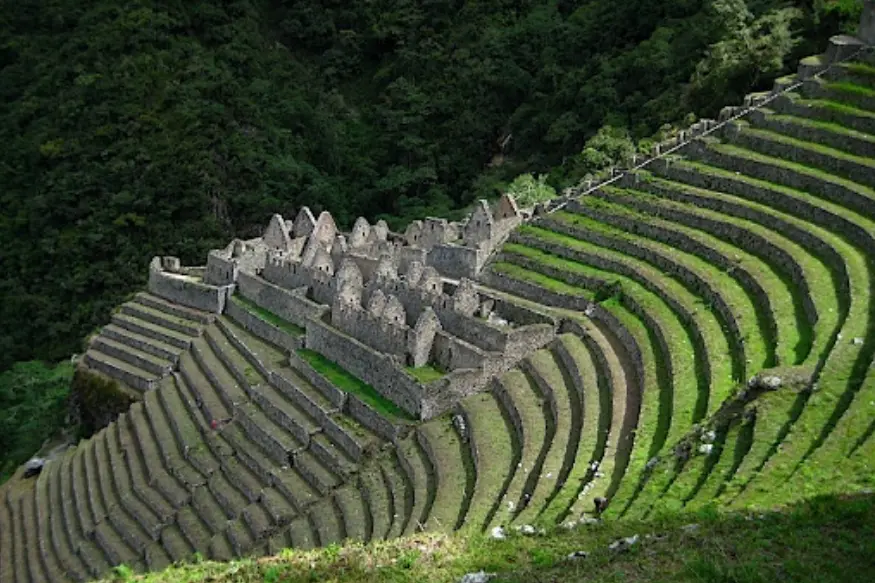
One of the biggest advantages of hiking in January is the scenery.
Because of the rain:
This is very different from the dry season, when the mountains become more yellow and dusty.
January receives far fewer hikers than:
This means:
The rainy season transforms the Andes into vibrant green scenery.
Many hikers actually prefer January landscapes because:
During peak season, permits for the Inca Trail often sell out months in advance.
January usually has:
Still, booking early is recommended because permits remain limited.
Although it rains more, temperatures are generally comfortable for hiking.
You avoid:
Rain is the biggest challenge.
You should expect:
Good waterproof equipment becomes essential.
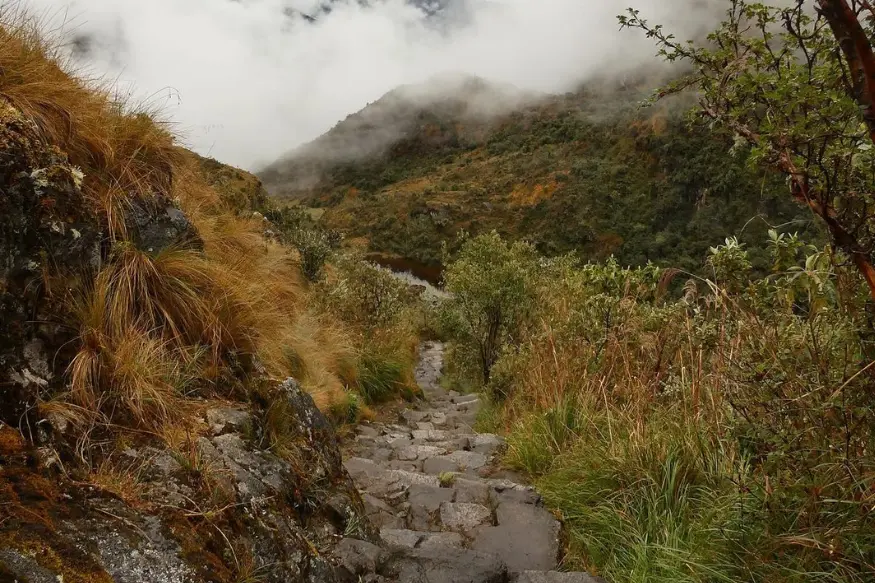
The Inca Trail already includes:
In January, these sections become:
Clouds and fog can sometimes cover:
Some hikers get perfect clear skies.
Others experience misty conditions.
January weather is unpredictable.
Heavy rain can occasionally affect:
While tours still operate, flexibility is important.
Yes — for the right type of traveler.
January is ideal if you:
January is NOT ideal if you:
The Classic 4-day Inca Trail is considered moderate to difficult year-round.
In January, difficulty increases because of:
The hardest section remains Dead Woman’s Pass.
4265 m≈13945 ft
At this altitude, rain and cold temperatures can make the trek feel more challenging.
Packing correctly is extremely important.
Bring:
Avoid cotton clothing.
You absolutely need:
Many hikers underestimate January rain.
Recommended:
Your hiking boots should be:
Muddy stone stairs become dangerous with poor footwear.
Yes — but visibility varies.
Some mornings offer:
Other days may be:
The advantage is that even cloudy conditions can create amazing photography.
At Machu Picchu, temperatures are warmer than high-altitude sections of the trail.
Typical temperatures:
Humidity is high.
Permits are easier to find compared to peak season.
Still:
Booking 2–4 months ahead is smart.
This depends on your goal.
| January | February |
|---|---|
| Trail open | Trail closed |
| Rainy season | Rainiest month |
| Trekking possible | No Inca Trail hikes |
| Green landscapes | Extremely wet |
The classic Inca Trail completely closes in February every year.
| January | Dry Season (May–September) |
|---|---|
| Green scenery | Dry yellow mountains |
| More rain | Sunny weather |
| Fewer tourists | Crowded |
| Better permit availability | Harder permits |
| Muddy trails | Easier hiking |
| Dramatic clouds | Clear skies |
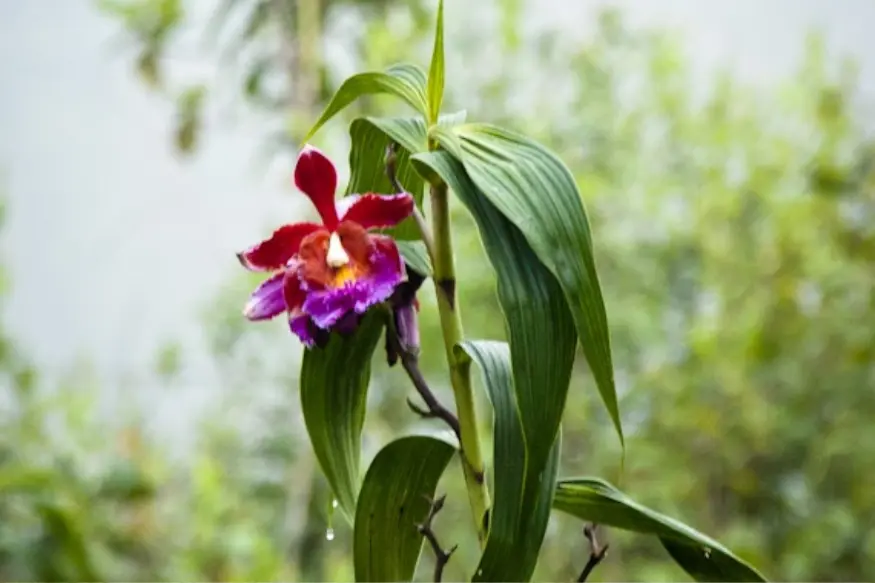
Because of the rain and humidity, January is excellent for:
The trail feels more tropical than during dry season.
January is fantastic for photographers who enjoy:
Waterproof protection for cameras is mandatory.
The best January options are usually:
Private tours are especially useful in January because:
The Inca Trail reaches very high elevations.
4265 m−2430 m=1835 m
This elevation difference between high passes and Machu Picchu can affect travelers not acclimatized properly.
Spend at least:
Yes, when hiking with a licensed operator.
Professional tour companies monitor:
Guides are trained for rainy-season operations.
Yes, January can be a great time to hike the Inca Trail if you prefer fewer crowds, greener landscapes, and a more adventurous experience. However, it is part of the rainy season, so hikers should be prepared for wet conditions and muddy trails.
Yes. The Inca Trail remains open during January. The trail only closes in February for annual maintenance carried out by the Peruvian government.
Yes, January is one of the wettest months in the Andes region near Machu Picchu. Rain showers are common, especially in the afternoons, and weather conditions can change quickly throughout the day.
The trail is generally safe when hiking with a licensed tour operator. However, rain can make some sections slippery and more challenging. Proper hiking boots, trekking poles, and waterproof gear are highly recommended.
Yes. Compared to the dry season months like June, July, and August, permits for the Inca Trail are usually easier to find in January. Still, booking several months in advance is recommended.