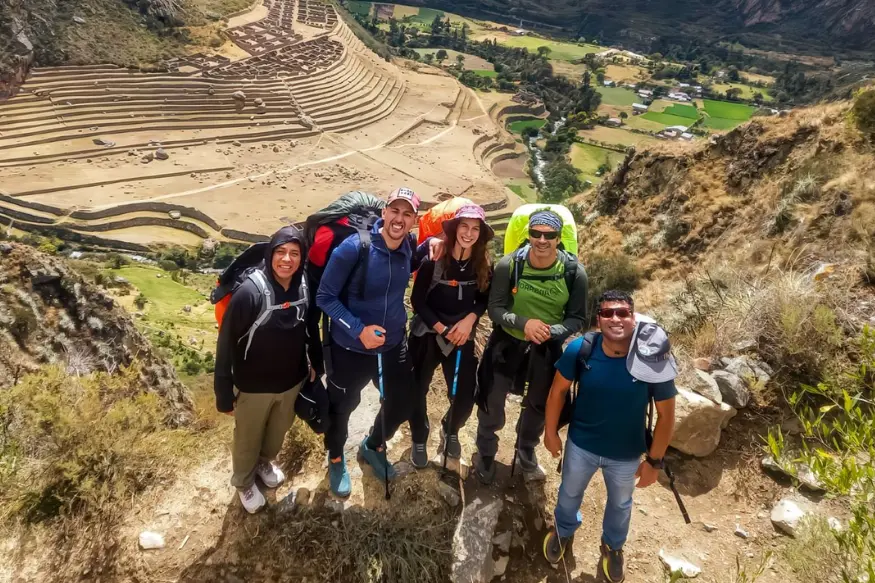
The journey from the ancient Inca Trail to Machu Picchu is more than a hike — it is one of the most extraordinary travel experiences on Earth. Combining breathtaking Andean landscapes, cloud forests, hidden archaeological sites, and the grand finale at the Lost City of the Incas, the Inca Trail remains the most iconic route to Machu Picchu.
For luxury travelers seeking an unforgettable adventure without sacrificing comfort, the Inca Trail offers the perfect balance between exclusivity, culture, history, and personalized service.
At Meta Peru Travel, we specialize in curated luxury experiences across Peru, offering premium Inca Trail journeys designed for travelers who want authenticity, comfort, and seamless organization from beginning to end.
In this complete guide, you will discover everything you need to know about hiking the Inca Trail to Machu Picchu, including routes, difficulty, permits, luxury camping, best time to go, packing tips, altitude advice, and how to choose the perfect experience.
The Inca Trail is an ancient network of stone pathways built by the Incas more than 500 years ago. The most famous section connects the Sacred Valley to Machu Picchu through remote mountain passes, subtropical forests, and archaeological ruins hidden deep in the Andes.
Unlike other routes to Machu Picchu, the Classic Inca Trail is the only trek that allows travelers to enter directly through the Sun Gate (Inti Punku), the original entrance used by the Incas centuries ago.
The experience combines:
For many travelers, completing the Inca Trail becomes a once-in-a-lifetime achievement.
Many routes lead to Machu Picchu, including train journeys, luxury rail experiences, and alternative treks. However, the Inca Trail remains unmatched for travelers seeking emotional connection, adventure, and historical depth.
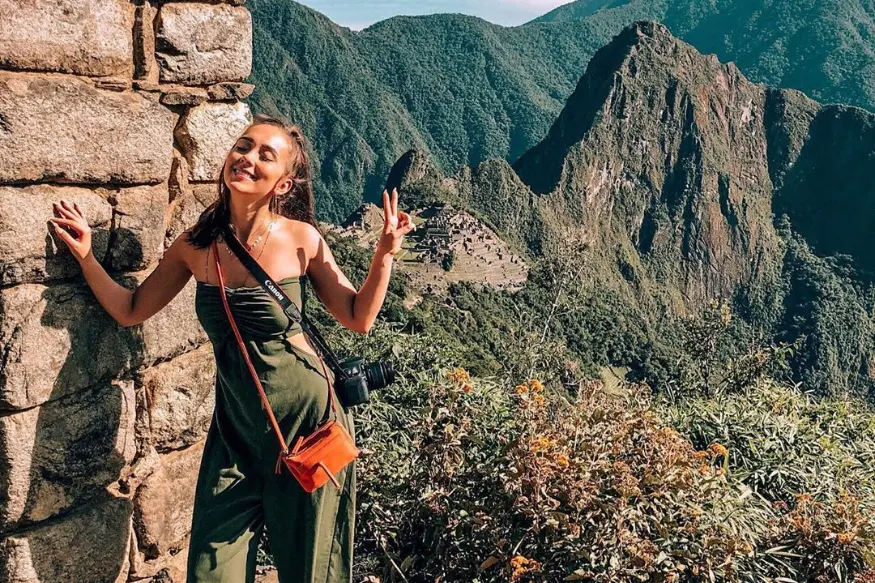
One of the most magical moments occurs at sunrise on the final day when trekkers arrive at the Sun Gate overlooking Machu Picchu for the first time.
Unlike visitors arriving by bus, hikers experience a gradual and dramatic reveal of the citadel after days immersed in the Andes.
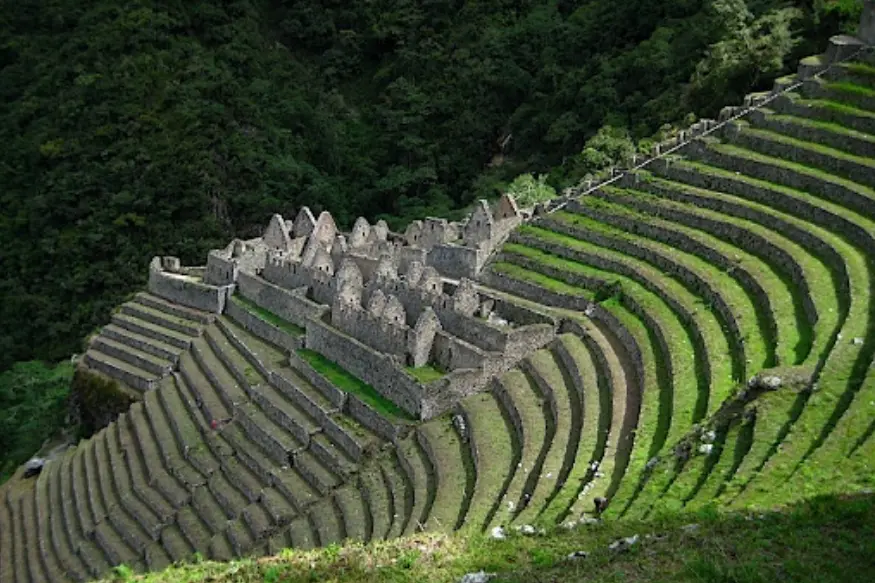
Along the route, travelers discover impressive archaeological complexes inaccessible to most tourists, including:
These sites provide deeper understanding of Inca civilization and the spiritual importance of the trail.
The Peruvian government strictly limits access to preserve the route. Only a limited number of permits are issued daily, making the trek feel more exclusive and protected compared to many crowded hiking destinations worldwide.
Today, luxury operators have transformed the classic trek into a premium experience featuring:
The Inca Trail is no longer only for hardcore backpackers — it has become one of South America’s top luxury adventure experiences.
Book Your: Luxury Inca Trail Trek
The Inca Trail formed part of the extensive Qhapaq Ñan, the massive road network connecting the Inca Empire across modern-day Peru, Ecuador, Bolivia, Chile, Colombia, and Argentina.
The trail served multiple purposes:
Historians believe the route to Machu Picchu held strong ceremonial importance. The gradual ascent through sacred landscapes may have symbolized spiritual preparation before entering the royal sanctuary.
Walking the same paths used centuries ago creates a rare sense of continuity with the past.
The Classic Inca Trail typically takes 4 days and 3 nights.
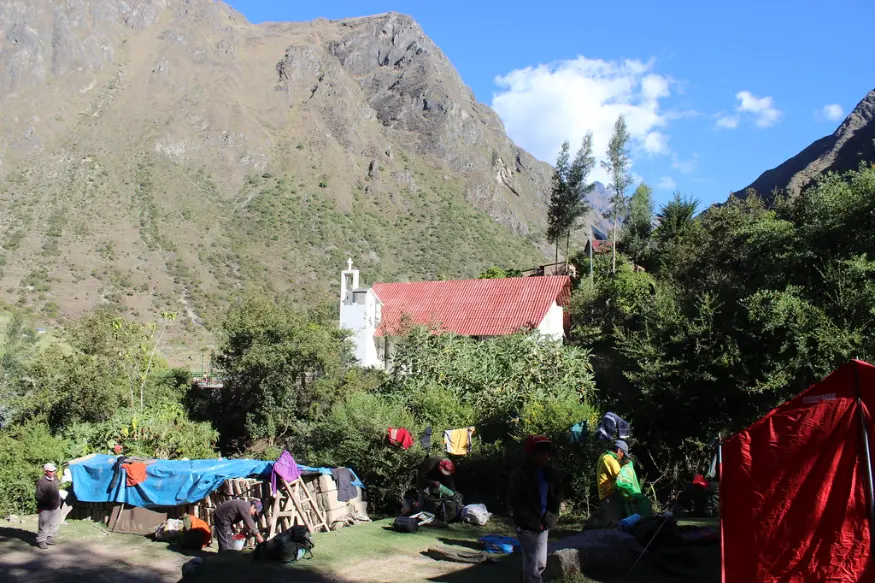
The adventure begins with a scenic drive from Cusco to Kilometer 82, the official starting point of the trek.
Highlights include:
Luxury travelers enjoy carefully prepared meals and premium campsite setups after the first day.
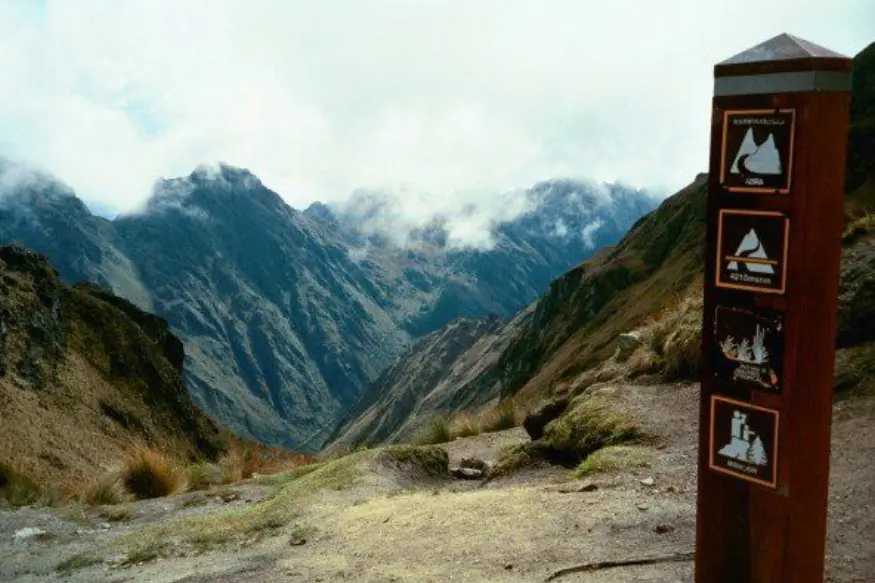
This is the most challenging day of the trek.
Trekkers ascend toward Warmiwañusca, also called Dead Woman’s Pass, reaching over 4,200 meters (13,779 feet).
The reward includes:
Luxury trekking teams ensure proper pacing, hydration, oxygen support if necessary, and high-quality meals for recovery.
Many experienced hikers consider this the most beautiful day.
The trail passes through:
Travelers explore remarkable locations like Phuyupatamarca and Wiñay Wayna before spending the final night near Machu Picchu.
The changing ecosystem creates one of the most diverse hiking experiences in South America.
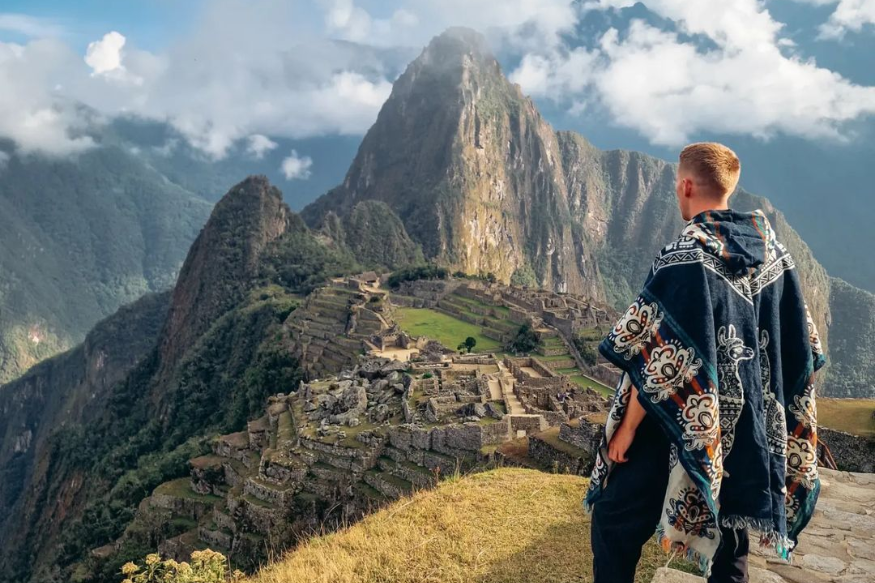
Before sunrise, hikers begin the final walk toward Inti Punku (Sun Gate).
The first panoramic view of Machu Picchu emerging from the mist is unforgettable.
After entering the citadel, travelers enjoy a guided exploration of:
Most luxury itineraries conclude with a comfortable train journey back to Cusco.
Not all Inca Trail experiences are the same.
Luxury trekking elevates every aspect of the journey.
| Standard Trek | Luxury Inca Trail |
|---|---|
| Basic tents | Spacious premium tents |
| Simple meals | Gourmet chef-prepared cuisine |
| Shared services | Personalized support |
| Basic camping | Exclusive campsites |
| Limited comfort | Hot showers & upgraded equipment |
| Group logistics | Tailored pacing and private guides |
Luxury travelers often combine the trek with:
Choosing the right season is essential for the best experience.
This is the most popular time for trekking.
Advantages include:
June, July, and August offer ideal weather but require booking months in advance.
Many luxury travelers prefer these months because they offer:
April and October often provide the perfect balance between weather and exclusivity
Rainfall increases significantly during these months.
However, travelers may still enjoy:
The trail closes every February for maintenance and conservation.
The Inca Trail is considered a moderate to challenging trek.
Key factors include:
Travelers do not need technical climbing skills, but good physical condition is highly recommended.
Luxury trekking services help reduce physical strain through:
Altitude is one of the biggest concerns for travelers visiting Peru.
The highest point of the trek reaches over 4,200 meters.
Common altitude symptoms include:
To minimize risks:
Luxury itineraries often include acclimatization tours in the Sacred Valley before starting the hike.
The Inca Trail requires official permits issued by the Peruvian government.
These permits are extremely limited and frequently sell out months in advance.
High-demand months such as June, July, and August often sell out very quickly.
Luxury travelers should ideally reserve:
Permits are non-transferable and linked directly to passport information.
Modern luxury trekking in Peru focuses on comfort, personalization, and exclusivity.
Luxury trekking chefs create impressive meals using fresh Peruvian ingredients.
Menus may include:
Dining under the stars in the Andes becomes part of the experience itself.
High-end camps often feature:
Some luxury operators even provide evening cocktails and wine service.
Private luxury tours allow travelers to:
For many travelers, this creates a more meaningful connection with the journey.
The Inca Trail crosses multiple ecosystems, creating surprising biodiversity.
Travelers may encounter:
The contrast between snow-capped mountains and tropical greenery is one of the trail’s most unique features.
Packing correctly is crucial for comfort.
Luxury operators often provide duffel bags and porter services to reduce carrying weight.
Many travelers compare the Inca Trail with alternative routes.
Best for:
Book Your: Luxury Classic Inca Trail 4 Days or Luxury Short Inca Trail 2 Days
Best for:
Book Your: Luxury Salkantay Trek 5 Days
Best for:
Despite alternatives, the Inca Trail remains the most iconic and historically significant route to Machu Picchu.
Absolutely.
Luxury trekking in Peru has evolved significantly in recent years.
At Meta Peru Travel, our luxury Inca Trail experiences combine adventure with refined comfort, allowing travelers to experience the Andes without sacrificing quality.
Our curated experiences can include:
This transforms the classic trek into a sophisticated expedition suitable for discerning travelers.
Without question, yes.
The Inca Trail offers something increasingly rare in modern travel: genuine emotional impact.
The combination of physical challenge, historical depth, natural beauty, and spiritual atmosphere creates an experience far beyond ordinary tourism.
Reaching Machu Picchu on foot after several days in the Andes creates a profound sense of accomplishment and connection.
For luxury travelers, it represents the perfect blend of adventure and exclusivity.
The Classic Inca Trail is approximately 42 kilometers (26 miles) and typically takes 4 days and 3 nights.
The trek is considered moderate to challenging due to altitude and mountain terrain, but it is achievable for most travelers with reasonable fitness.
Yes. Official permits are mandatory and should be booked several months in advance.
May through September offers the driest conditions, while April and October provide excellent balance between weather and fewer crowds.
Yes, many beginners successfully complete the trek with proper preparation and acclimatization.
Yes. Luxury Inca Trail experiences include premium camping equipment, gourmet meals, private services, and personalized support.